
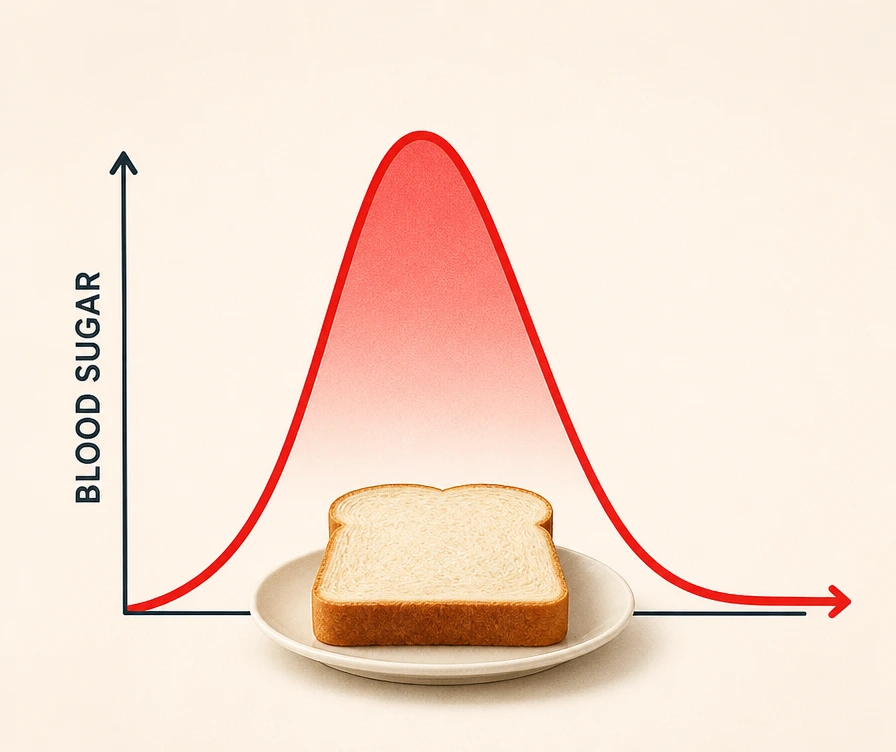
Why two foods with the same sugar can leave you steady or crashing — and how to read the difference.
5 min read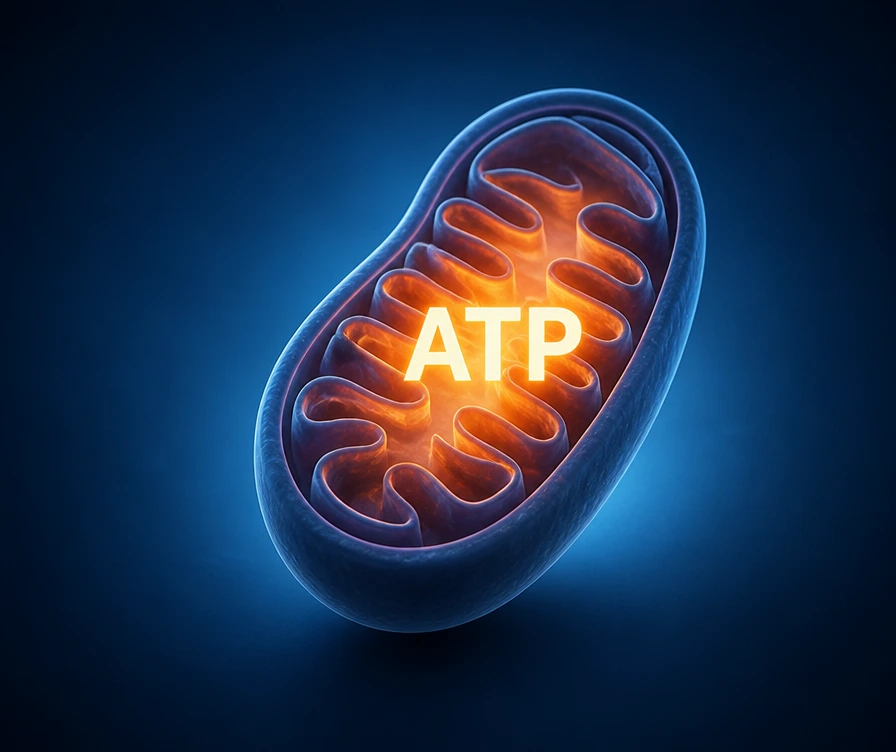
The Krebs cycle is the engine at the centre of your metabolism. Understanding it explains why blood sugar spikes feel the way they do, why fat burning is slower, and what insulin is actually doing.
4 min read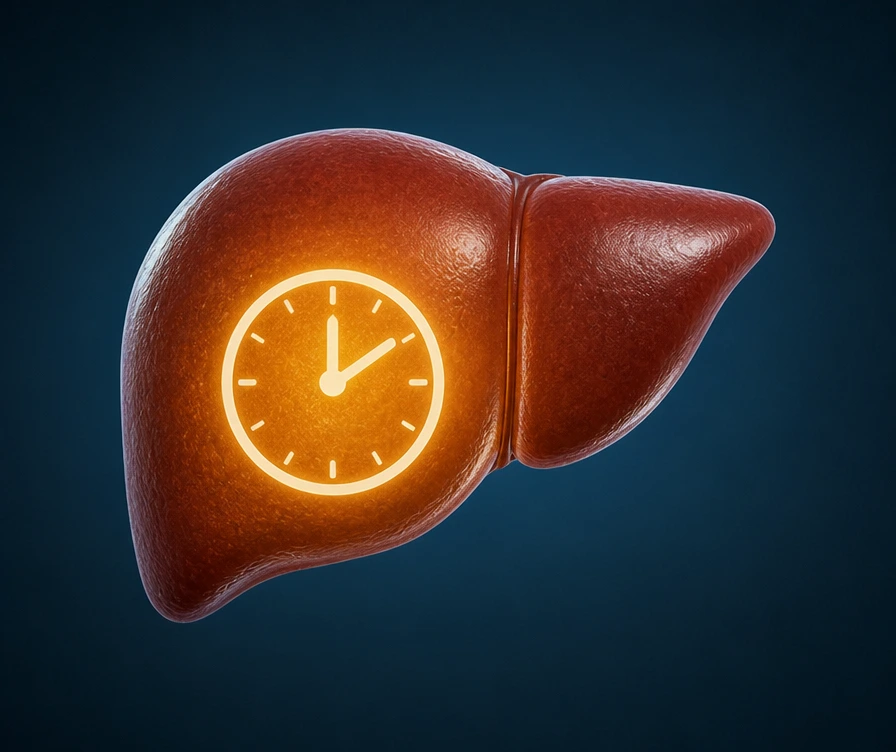
The liver is not a passive filter. Every meal triggers a coordinated metabolic response that determines how much of what you ate becomes energy, how much becomes fat, and how much circulates in your blood.
3 min read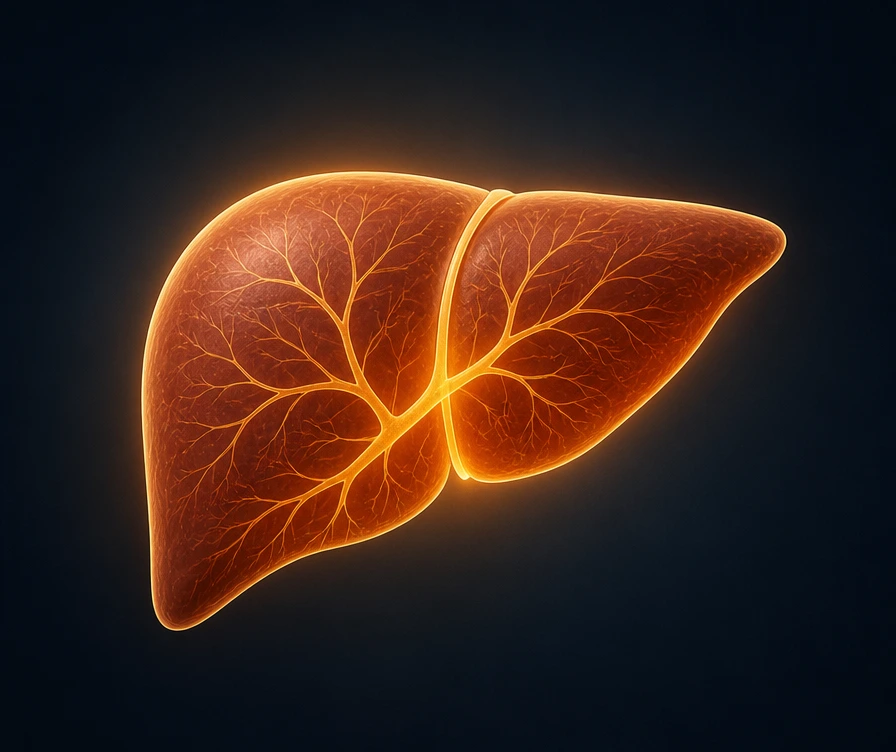
Between meals and overnight, the liver switches from processing and storing to producing and releasing. This transition is one of the most important metabolic events that happens in your body — and most people never let it complete.
3 min read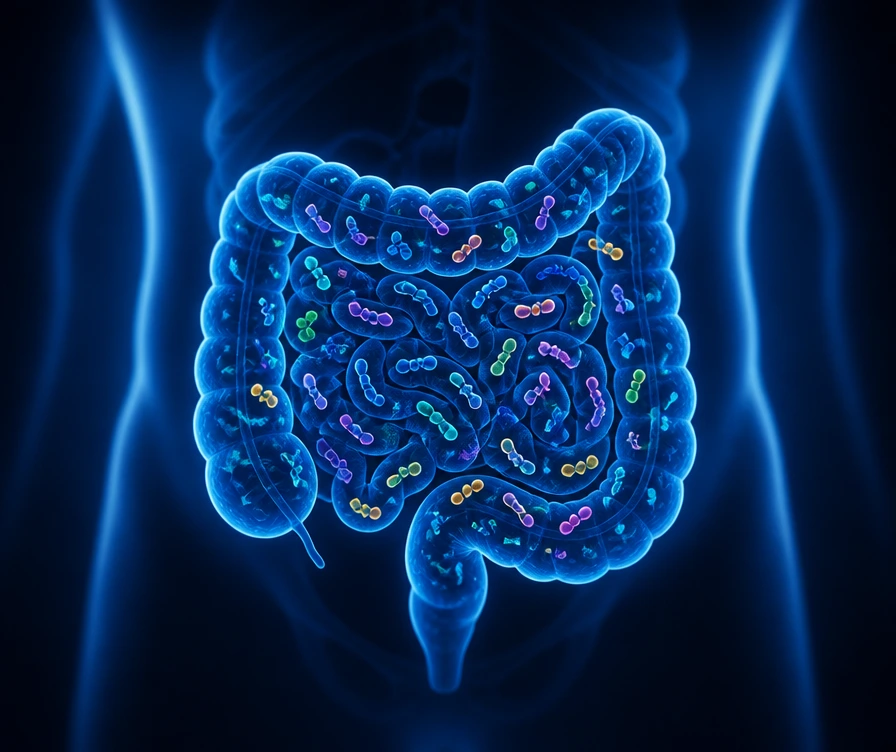
Your gut contains roughly 100 trillion microorganisms encoding 150 times more genes than your own genome. They are not passengers — they are active participants in nearly every system in your body.
3 min read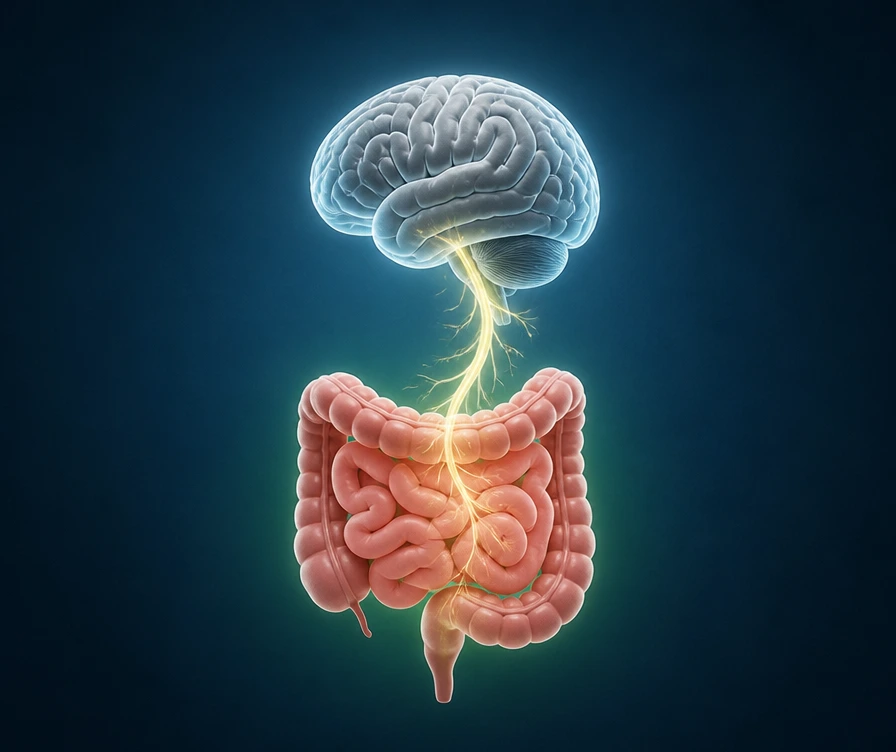
The gut and brain are in continuous two-way communication through the vagus nerve, the immune system, the bloodstream and a shared chemistry of neurotransmitters. Food is one of the most direct inputs into that conversation.
3 min read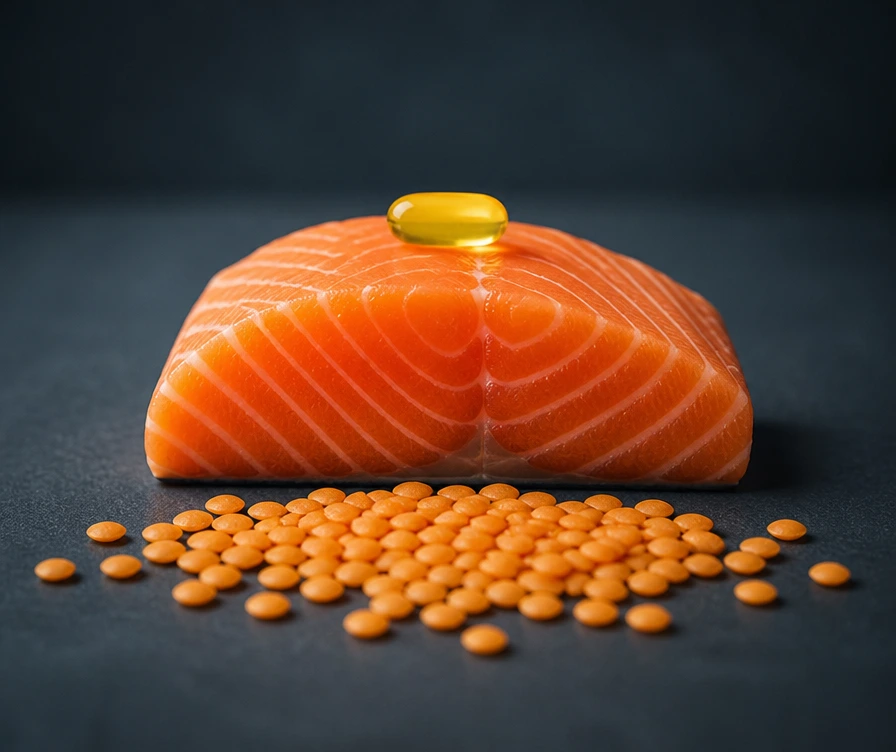
Tracking total protein grams tells you surprisingly little about whether your body can actually use what you ate. The quality of protein — its amino acid composition and digestibility — is the variable that determines the outcome.
4 min read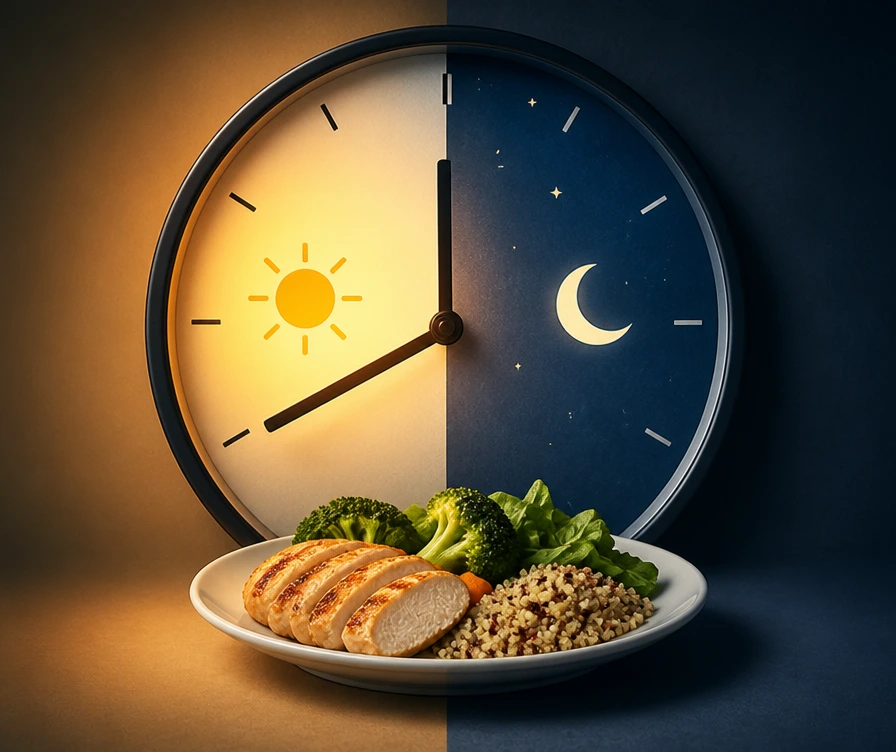
Your body handles the same meal very differently depending on when you eat it. Insulin sensitivity, fat oxidation, glucose tolerance and gut microbiome activity all follow a 24-hour rhythm that modern eating patterns routinely disrupt.
4 min read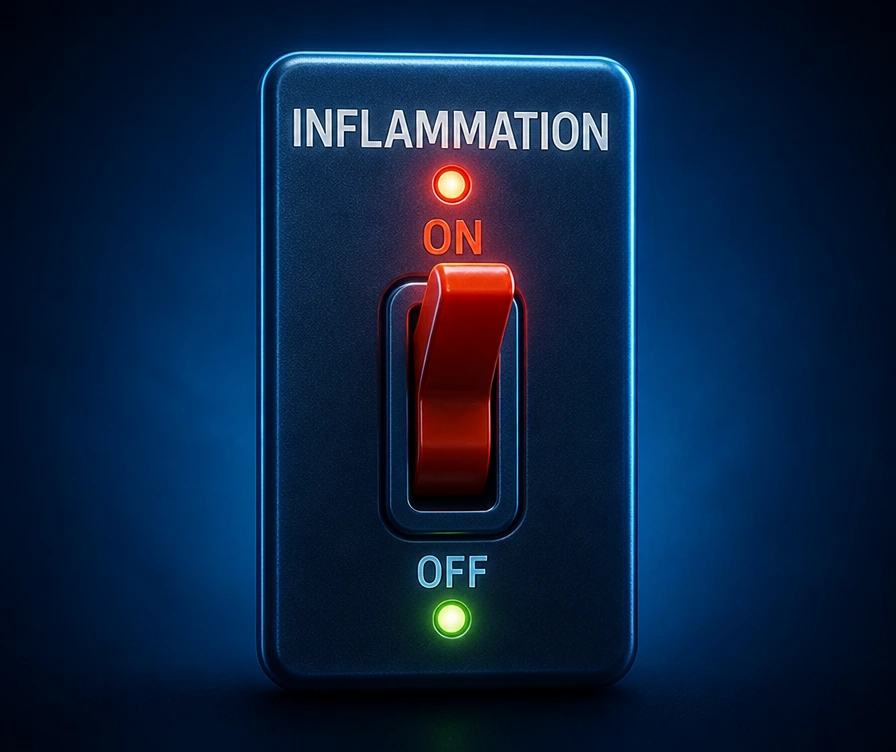
Acute inflammation is one of the body's most important healing tools. Chronic low-grade inflammation is a shared mechanism underlying cardiovascular disease, type 2 diabetes, Alzheimer's and cancer. Diet is one of the most direct variables in the difference between the two.
3 min read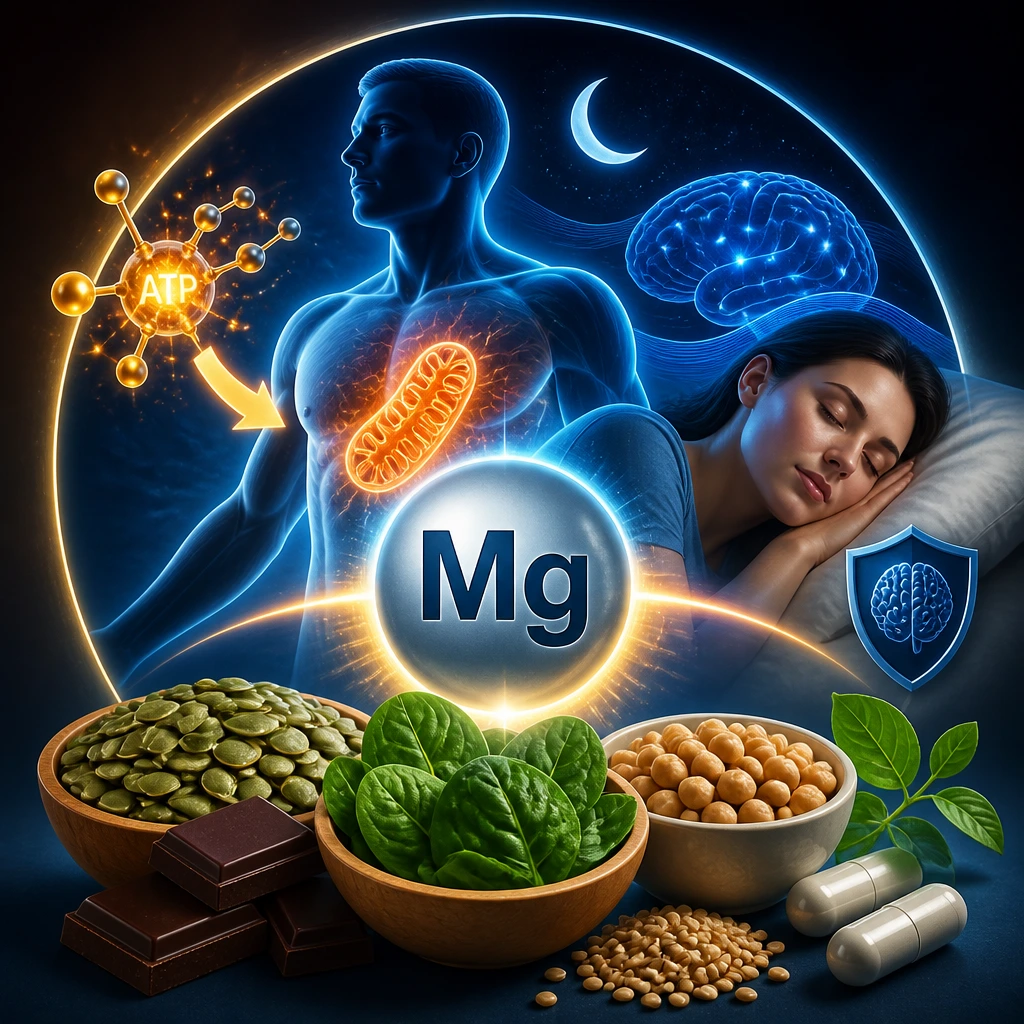
Magnesium deficiency is one of the most common and most underdiagnosed nutritional inadequacies in the developed world. Standard blood tests miss it almost entirely. Its effects span sleep, anxiety, blood pressure, insulin sensitivity and energy production.
3 min read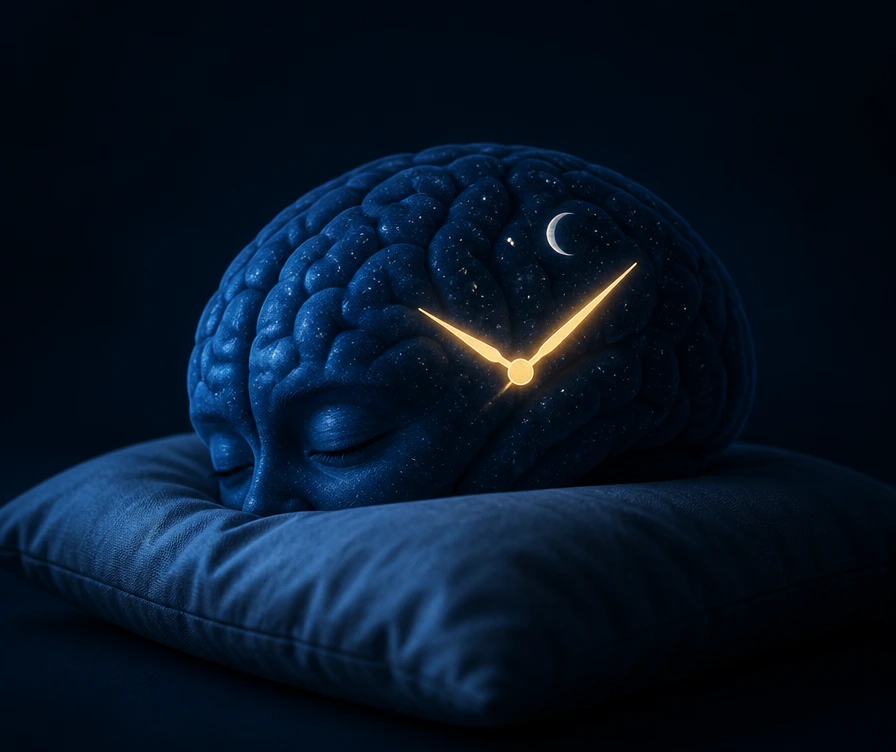
Growth hormone peaks, insulin sensitivity resets, the brain clears its waste, telomeres repair and the gut microbiome completes its daily cycle — all during sleep. Cutting it short doesn't save time. It borrows against every system that runs while you're asleep.
4 min read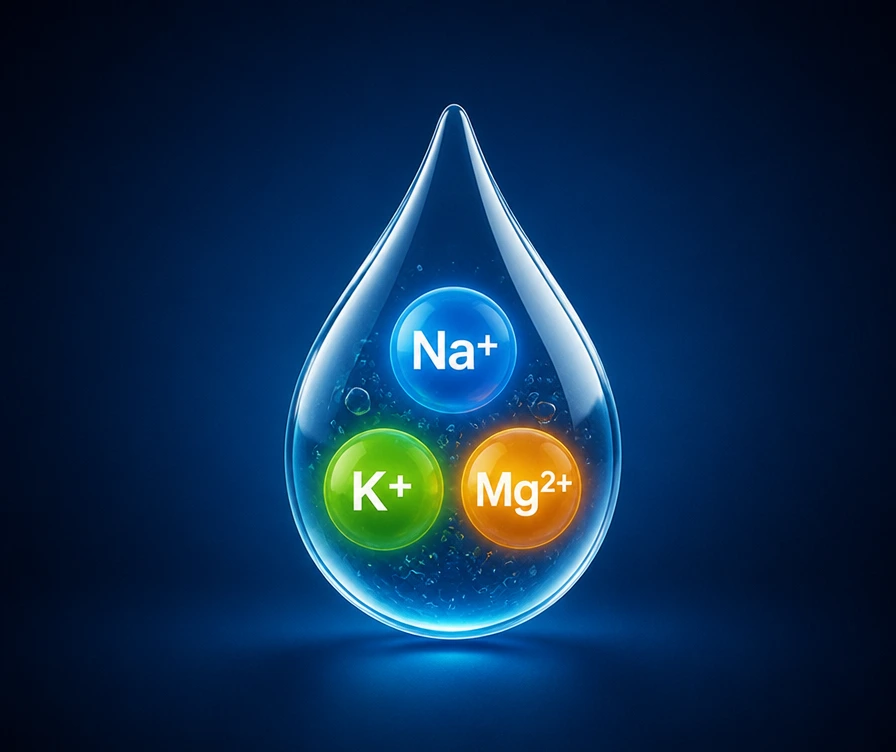
The popular advice to drink eight glasses of water a day misses most of what actually determines whether your body is properly hydrated. Electrolyte balance, fluid distribution and the role of sodium, potassium and magnesium matter more than volume alone.
4 min read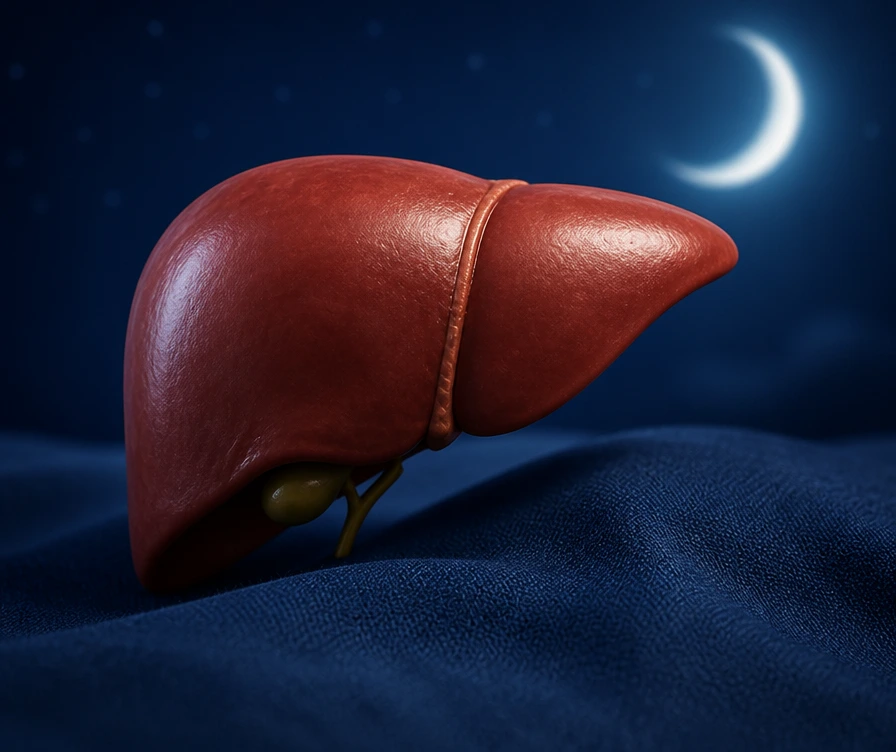
While you sleep, the liver runs its most complex chemical operation. Phase 1 and Phase 2 detoxification don't happen on a cleanse — they happen every night, and they depend on specific nutrients most people don't know to provide.
3 min read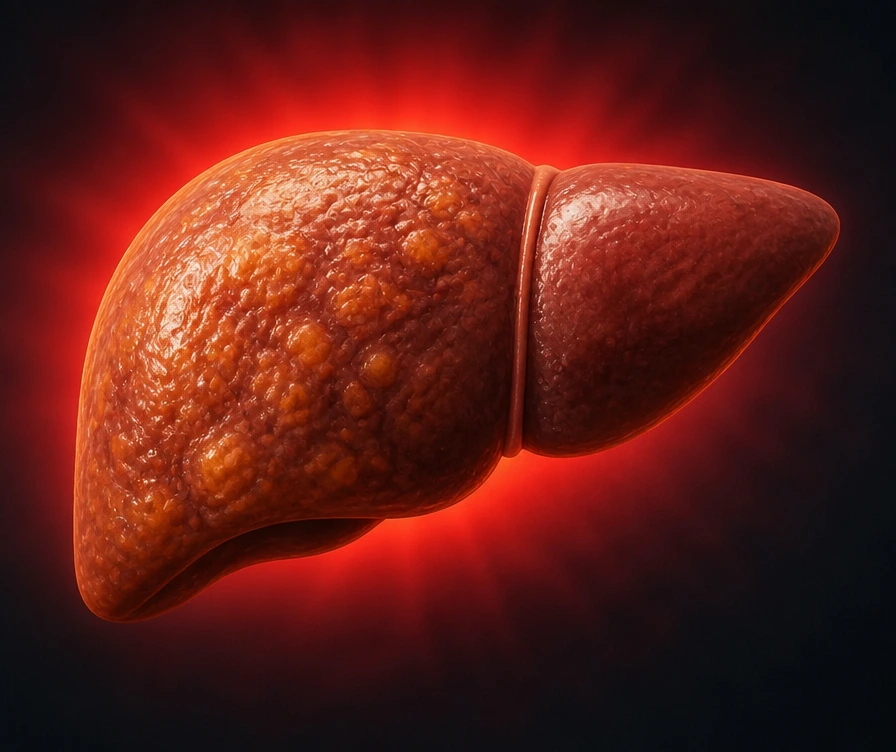
Non-alcoholic fatty liver disease affects roughly one in four people globally. It is driven primarily by diet, is silent for years, and is almost entirely reversible in its early stages — if you understand what is causing it.
3 min read
Reactive oxygen species are a normal product of metabolism. The problem begins when their production outpaces the body's ability to neutralise them — and diet is one of the most direct variables in that equation.
3 min read
The relationship between dietary cholesterol, blood cholesterol and cardiovascular risk is far more nuanced than four decades of public health messaging suggested.
3 min read
Cellular aging isn't a fixed programme. It's a response to how much oxidative stress and inflammation your body accumulates over time — and both are shaped by what you eat.
3 min read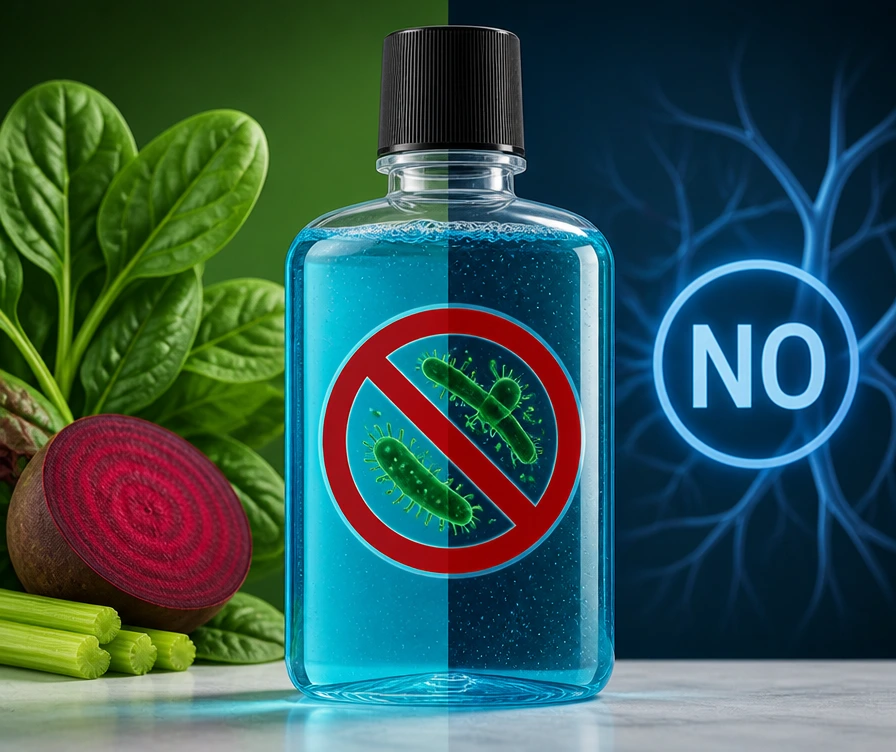
The oral microbiome converts dietary nitrate into nitric oxide — a molecule that regulates blood pressure, insulin sensitivity and vascular health. Antibacterial mouthwash kills the bacteria that make this conversion possible.
3 min read
Overeating, inadequate chewing and eating too quickly each impair the body's ability to extract nutrients from food — through separate but compounding mechanisms.
3 min read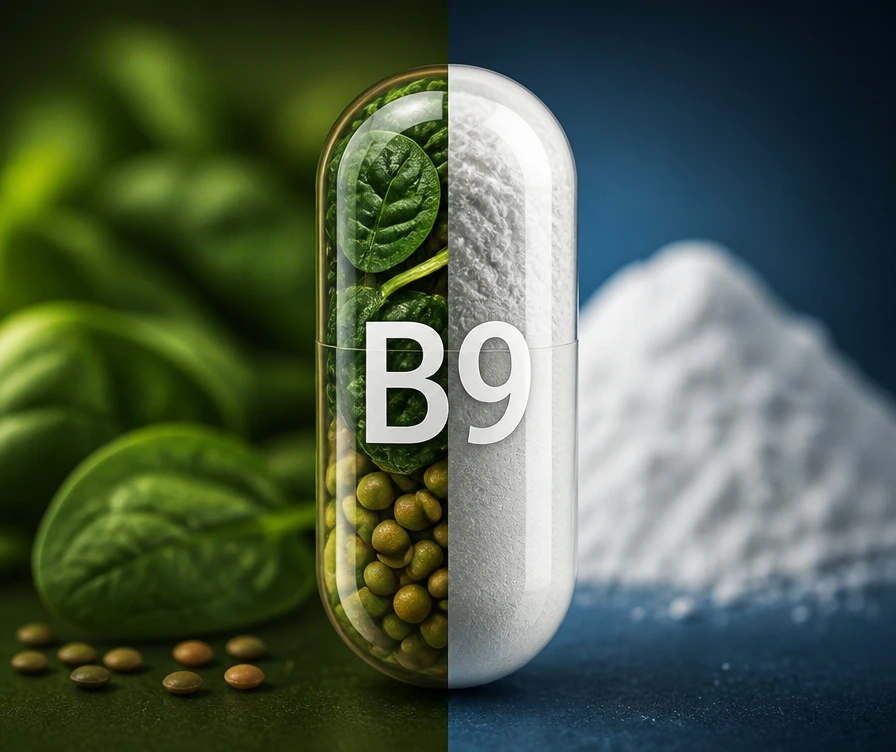
One is found in food. The other is added by governments. Europe chose not to add it, and the consequences are measurable.
3 min read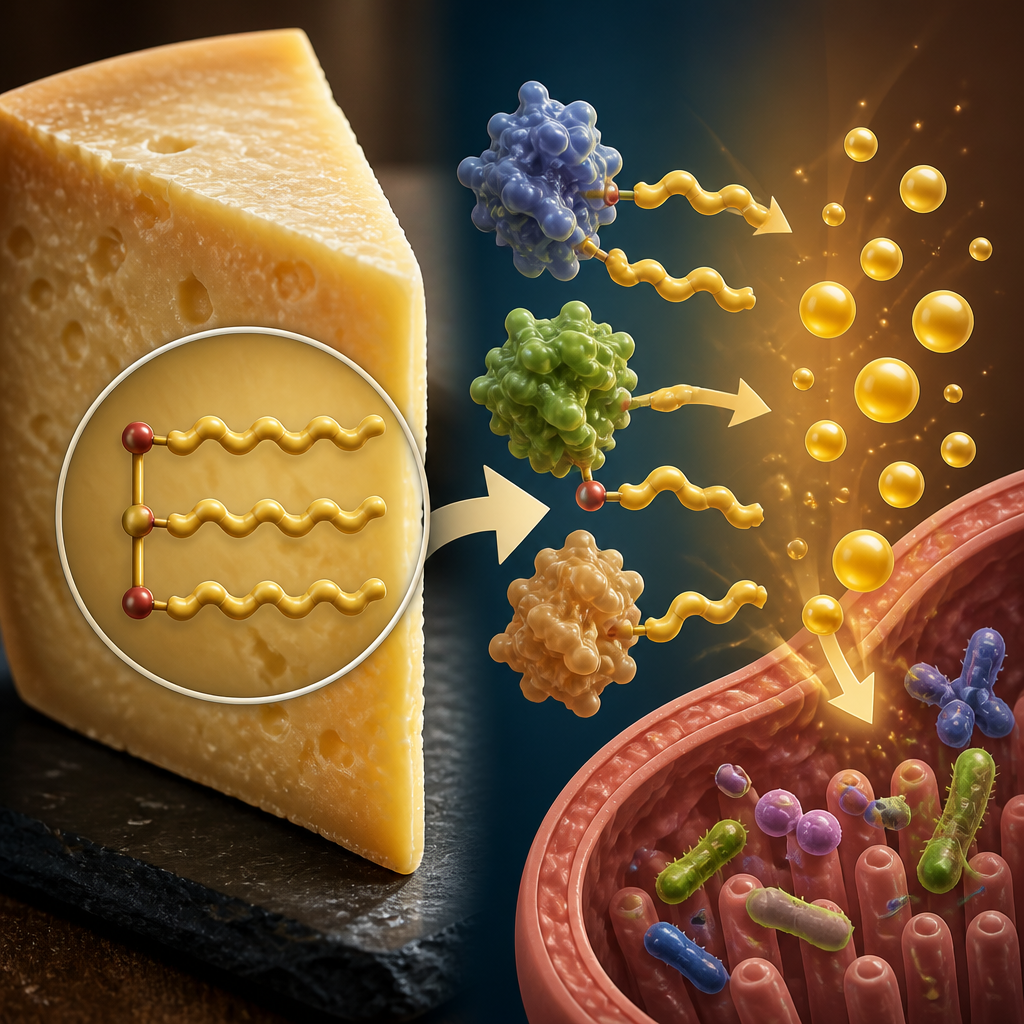
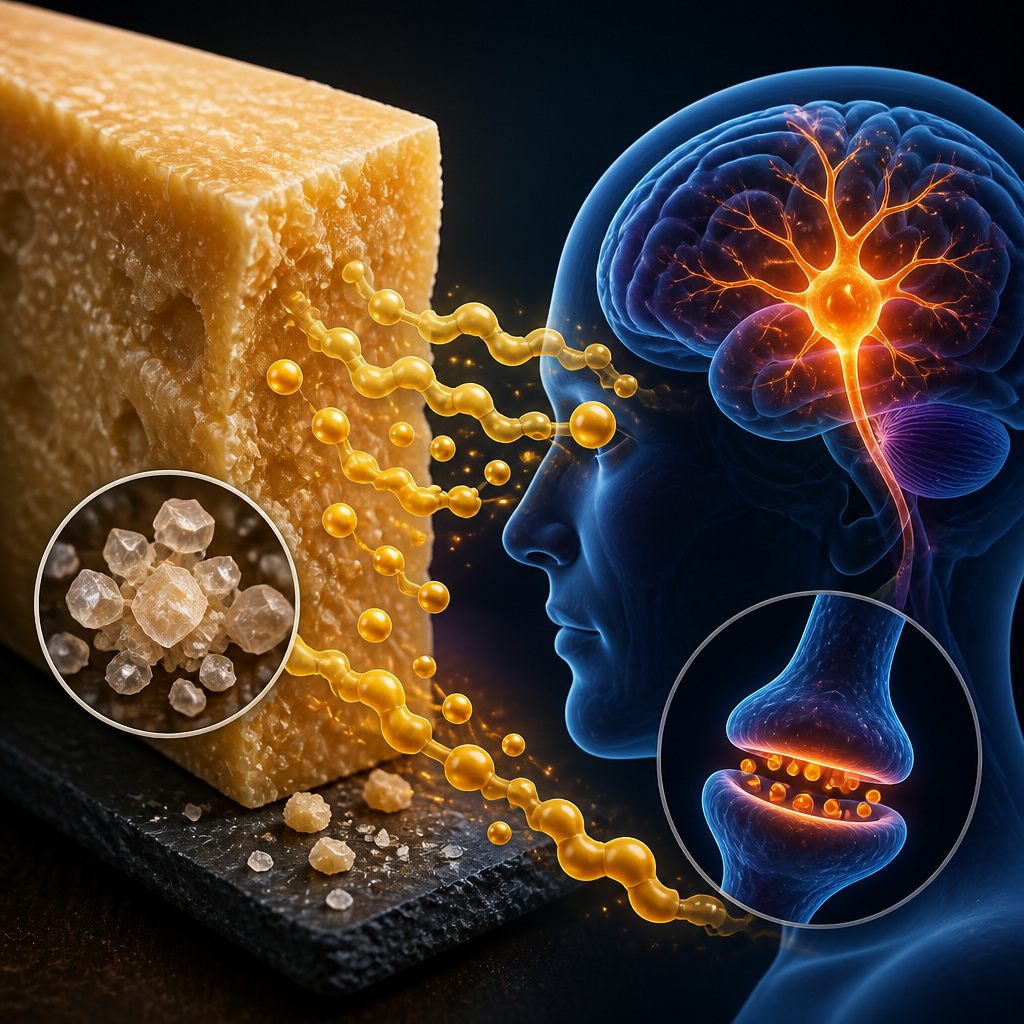
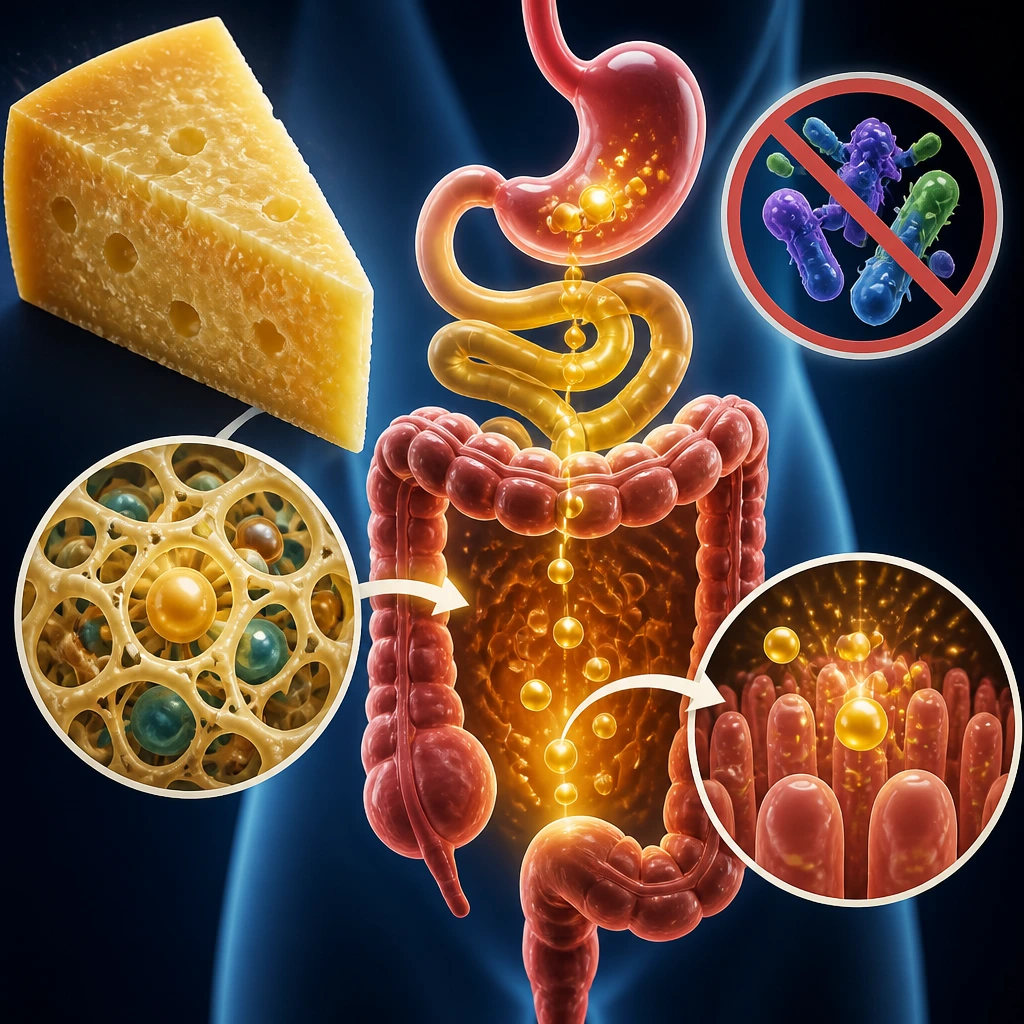
Short-chain FFAs like butyric acid are absorbed in the small intestine and used directly as fuel by colonocytes (colon cells) — they don't reach your microbiome intact, but they're bioactive
1 min read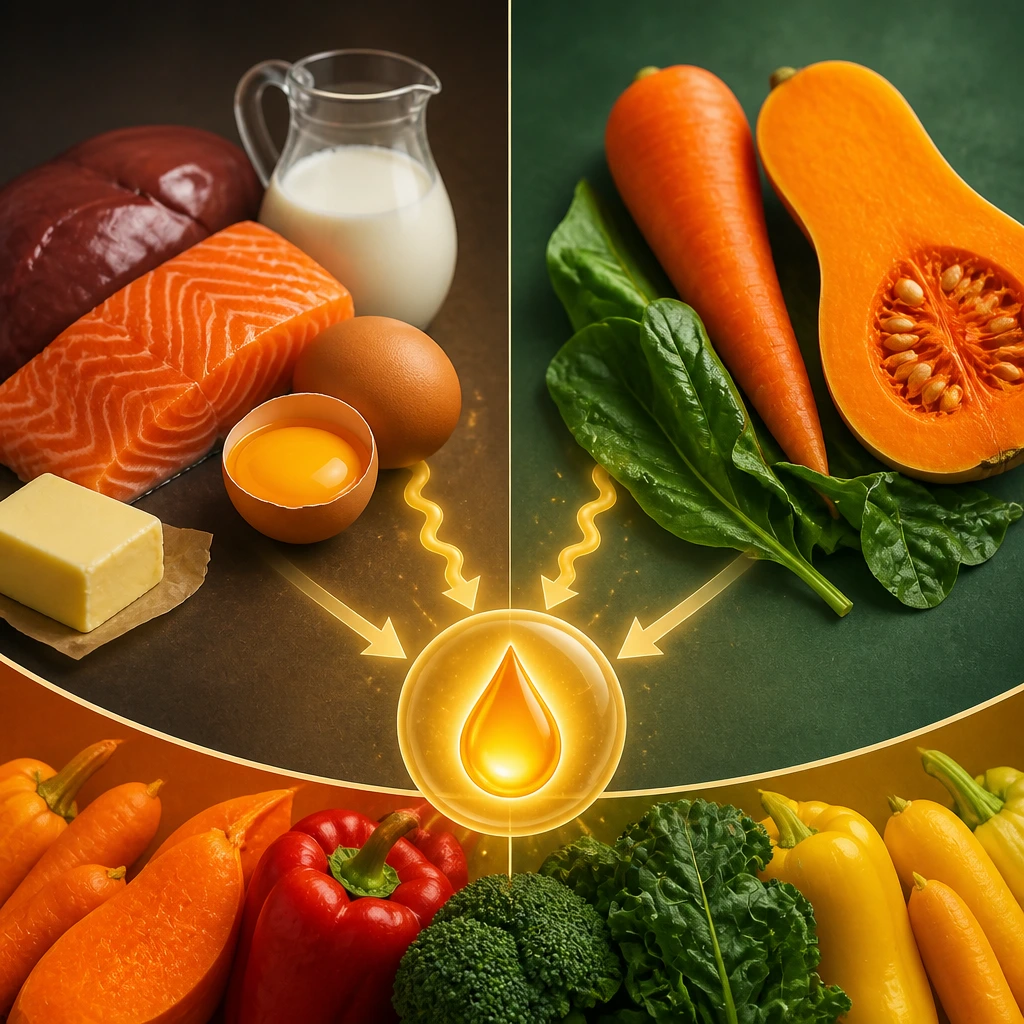
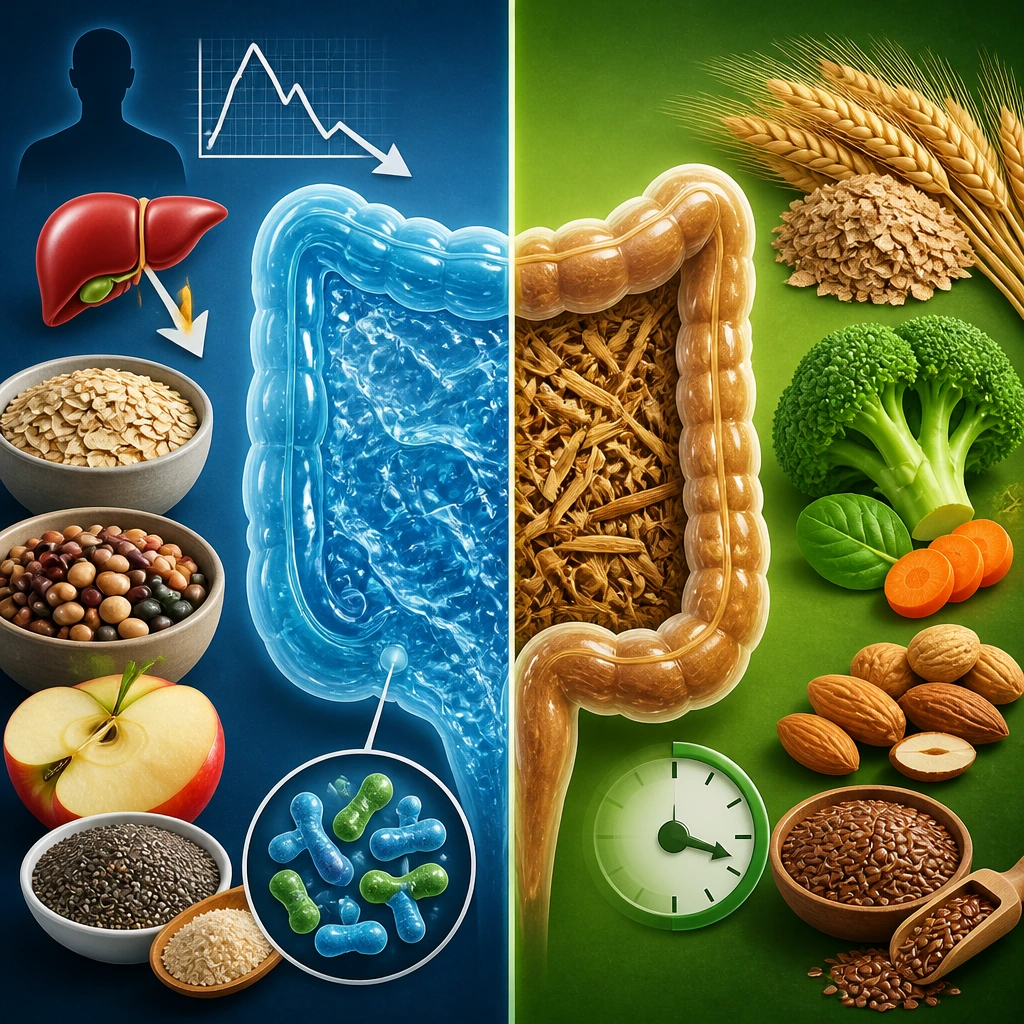
Fiber is not one thing. It's two distinct molecules with completely different jobs in the body.
1 min read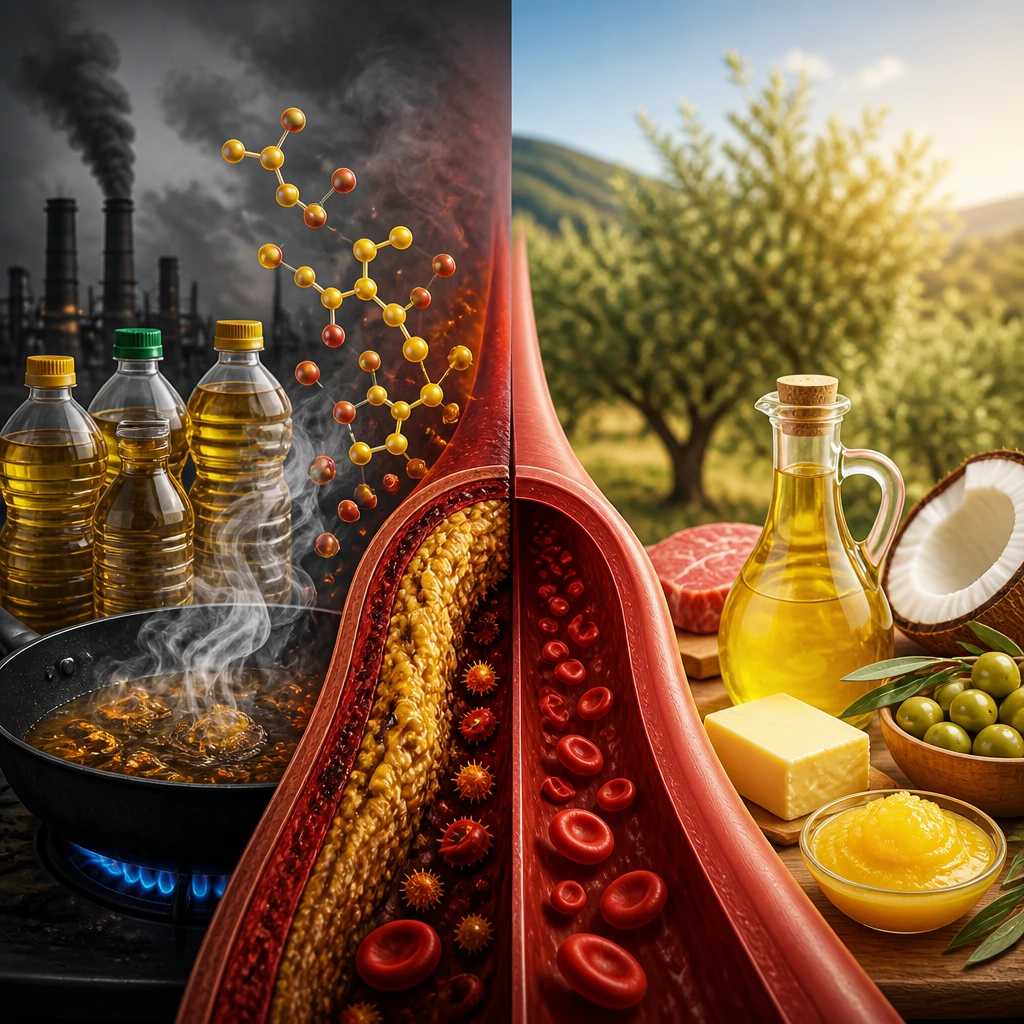
For decades, seed oils were positioned as heart-healthy alternatives to saturated fat. The chemistry told a different story.
1 min read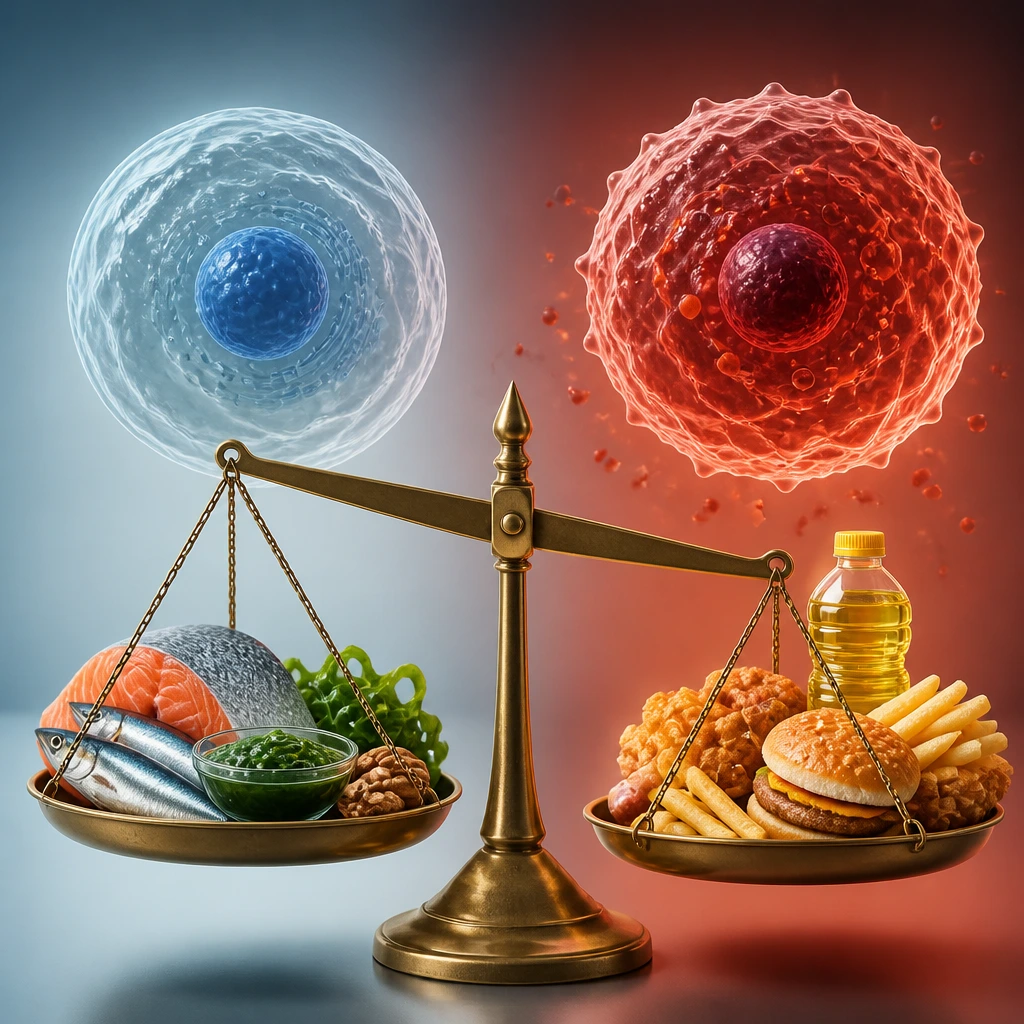
It's not the absolute amount of omega-3 that matters most. It's the ratio.
1 min readMagnesium is a cofactor in over 300 enzymatic reactions. Without it, cells cannot produce energy efficiently.
1 min read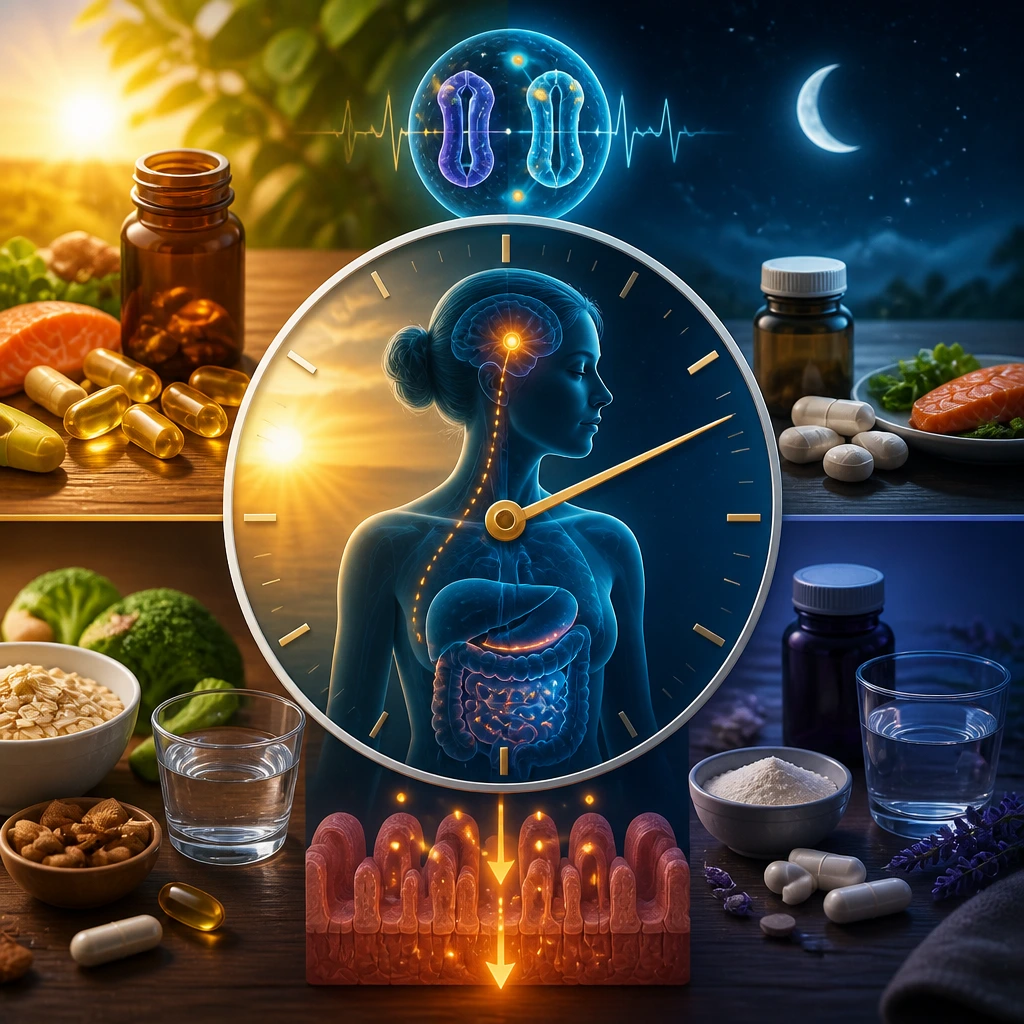
Nutrient transporters are regulated by circadian clocks. The same supplement absorbed at different times of day delivers measurably different results.
1 min read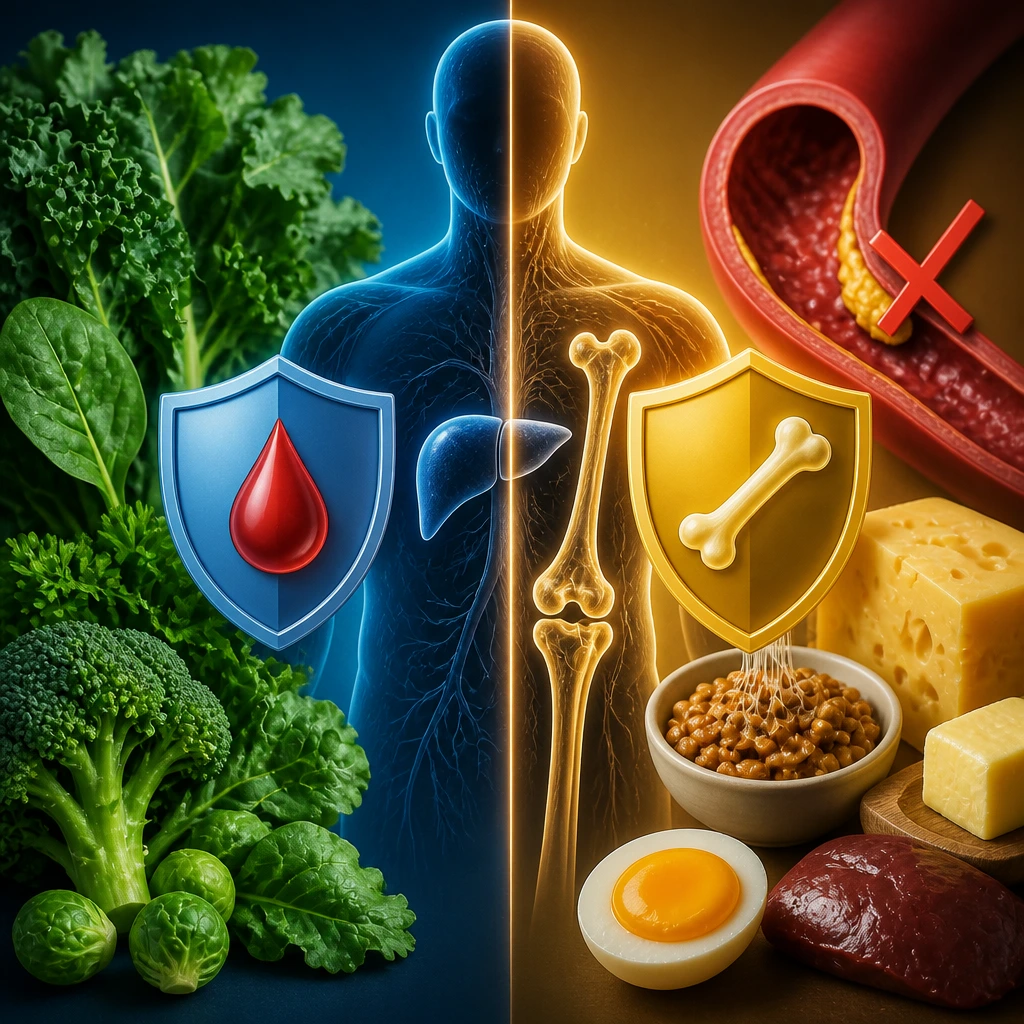
K1 handles blood clotting. K2 handles where calcium goes in the body. They are metabolically separate.
1 min read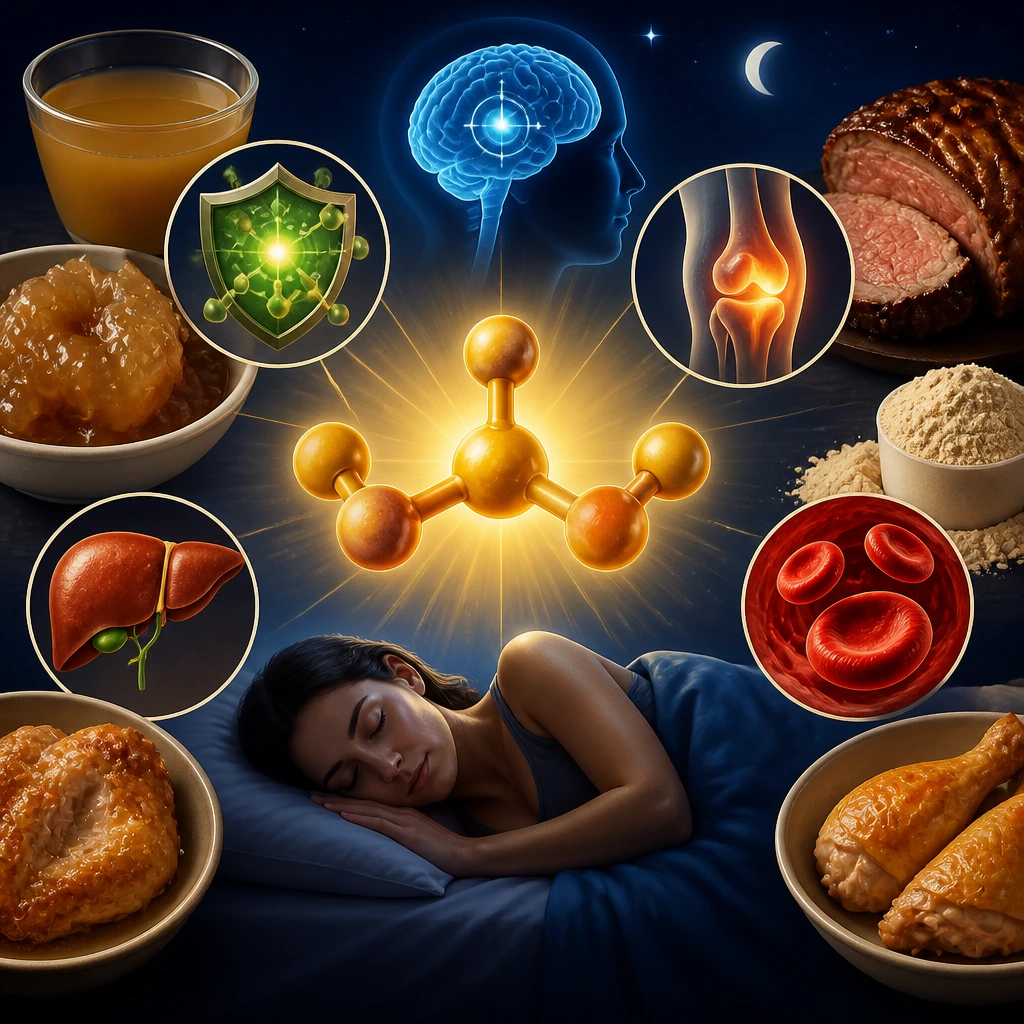
The body can synthesise glycine, so it's classified as non-essential. But synthesis covers only 3g per day. Metabolic demand is 10–15g. The gap is dietary.
1 min read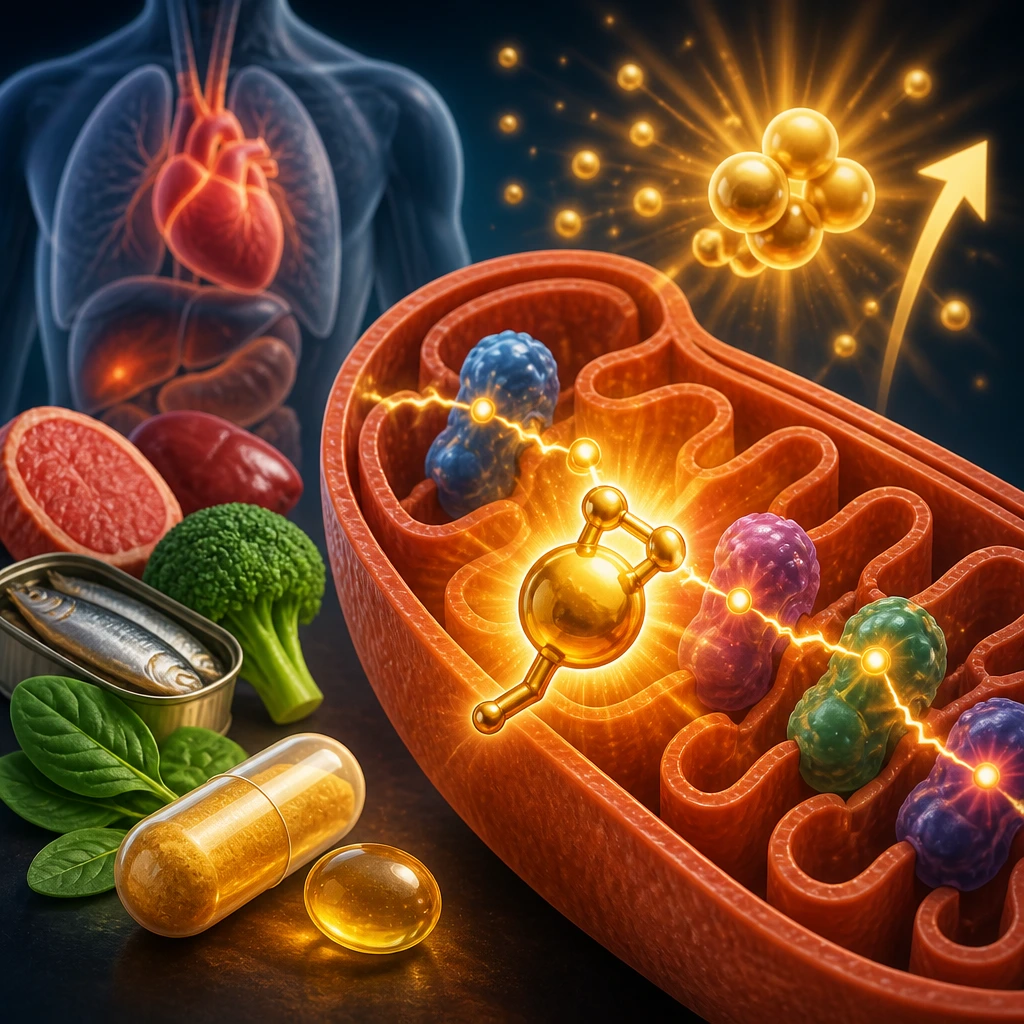
Coenzyme Q10 sits at the heart of the electron transport chain — the final stage of ATP production. Without it, the chain stalls.
1 min read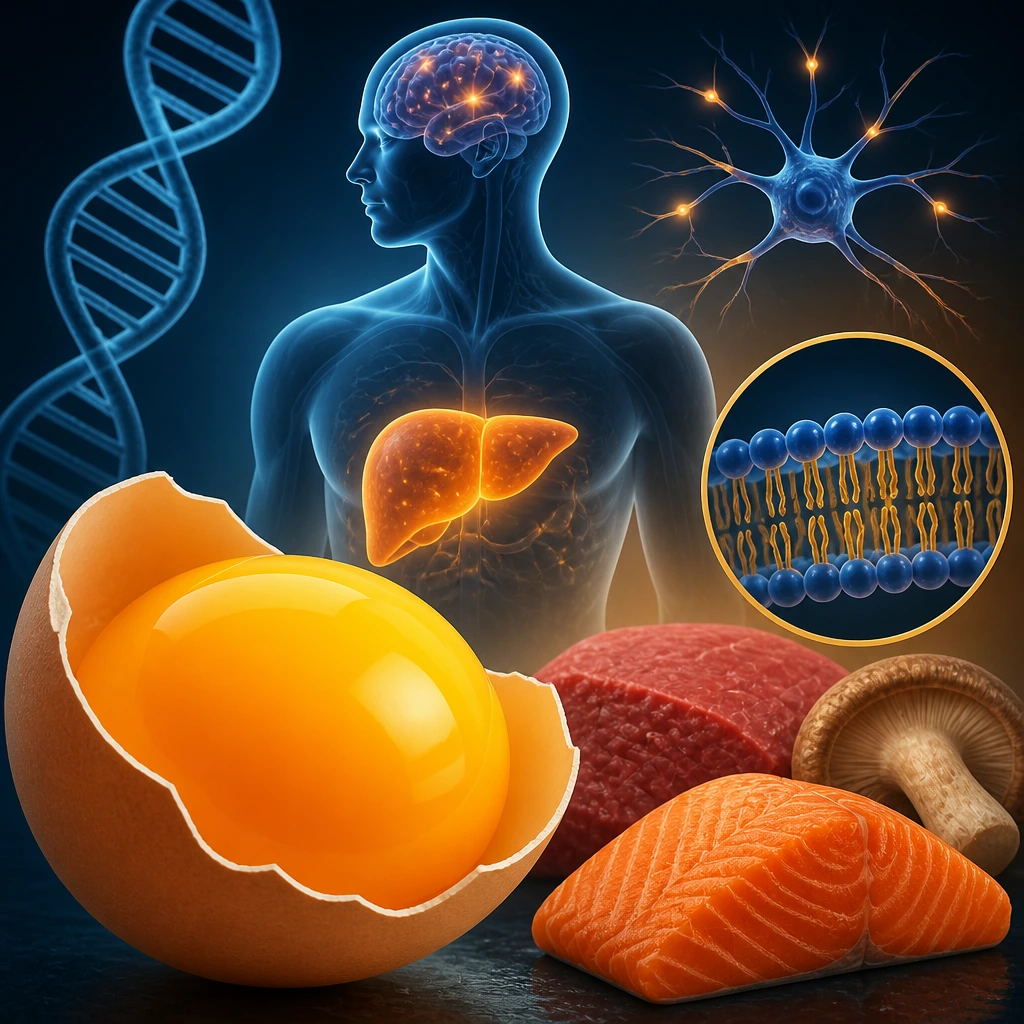
Choline was only officially recognised as essential in 1998. Over 90% of people don't meet adequate intake. The richest source was demonised for 40 years.
1 min read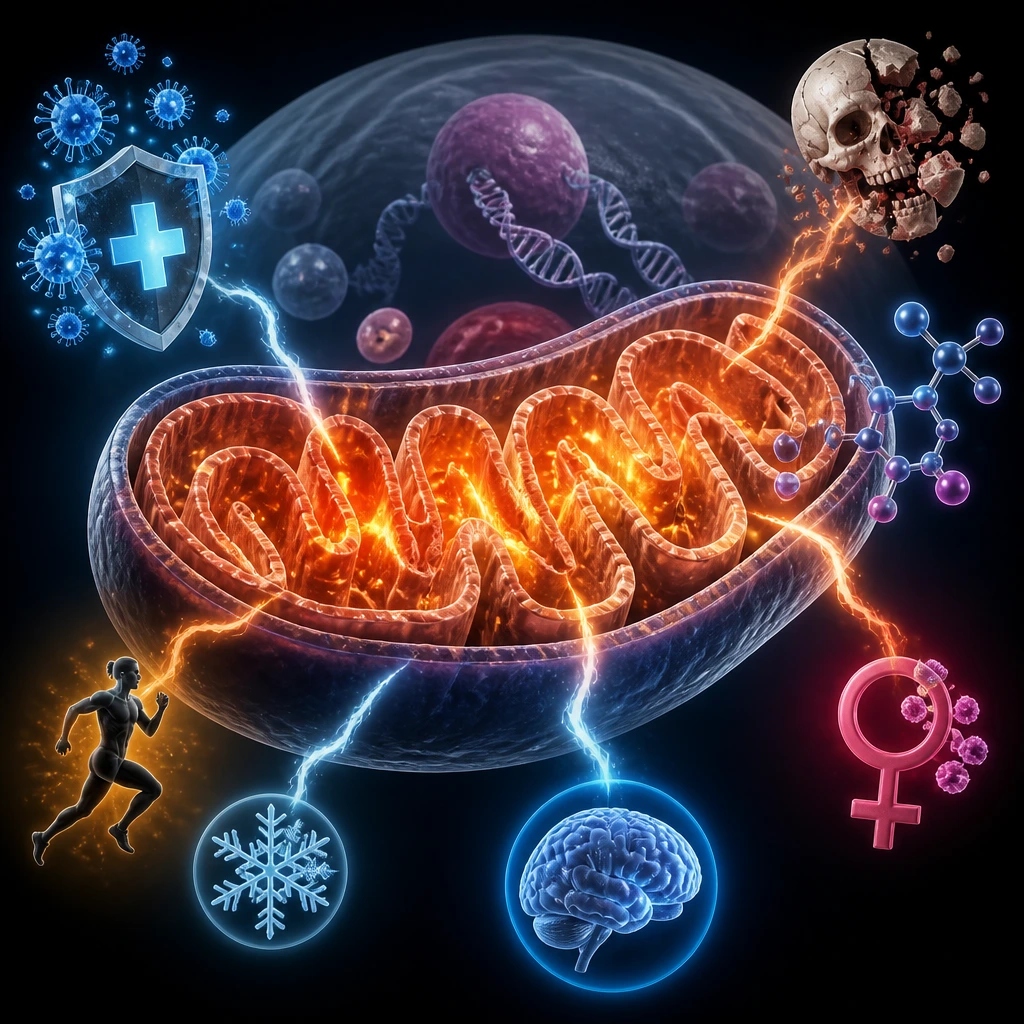
Mitochondria regulate inflammation, control cell death, produce steroid hormones, and signal to the nucleus. They are the first thing to show dysfunction — before any organ-level symptom appears.
1 min read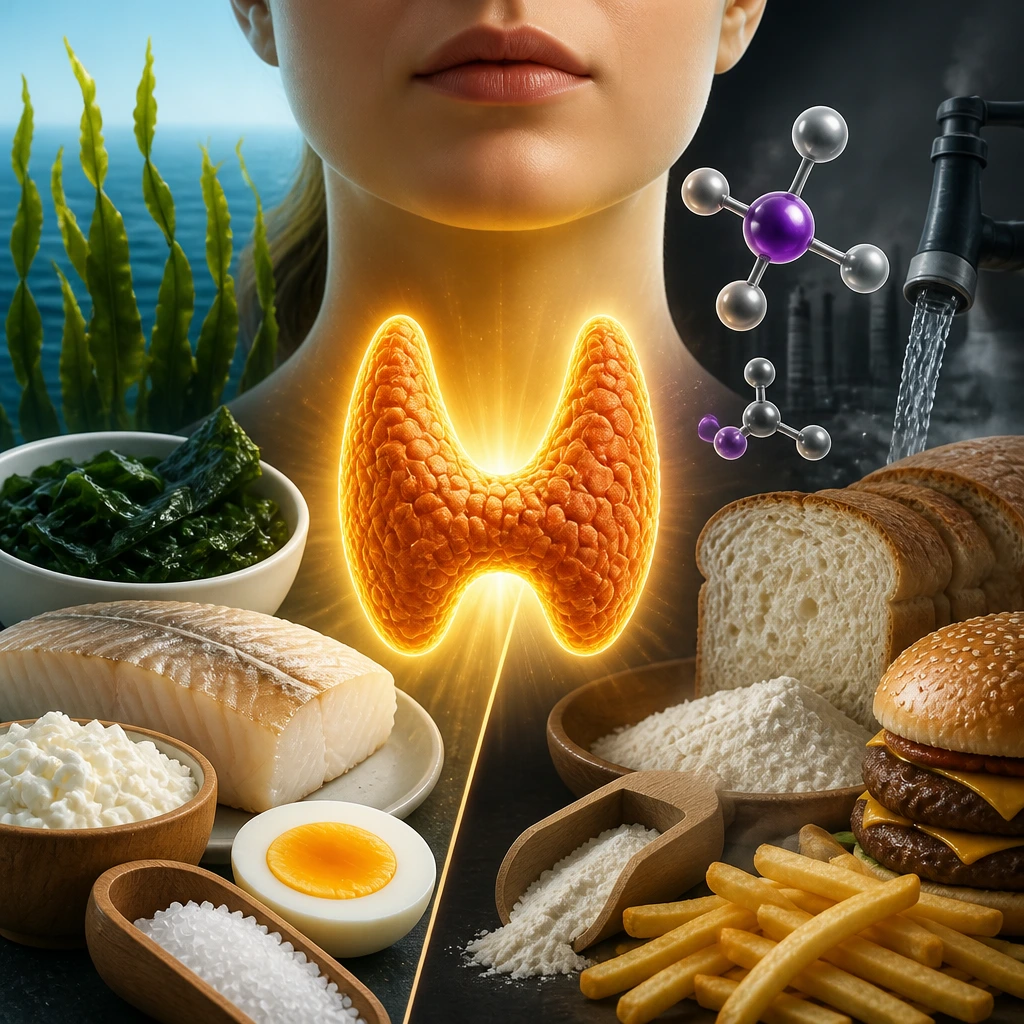
Iodine deficiency was solved in the West by iodised salt. Then processed food replaced home cooking and took the iodised salt with it.
1 min read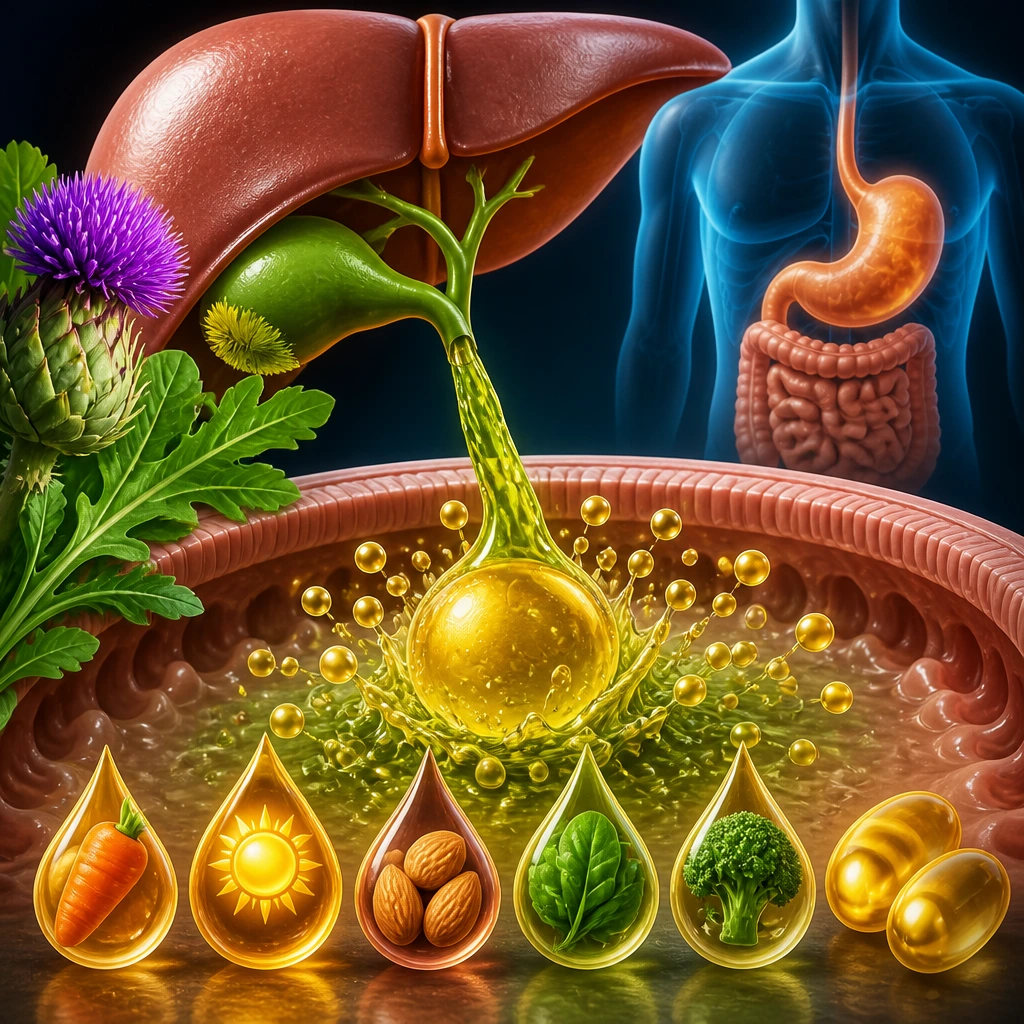
Every fat-soluble vitamin and every carotenoid requires adequate bile output to be absorbed. Most people have never heard this.
1 min read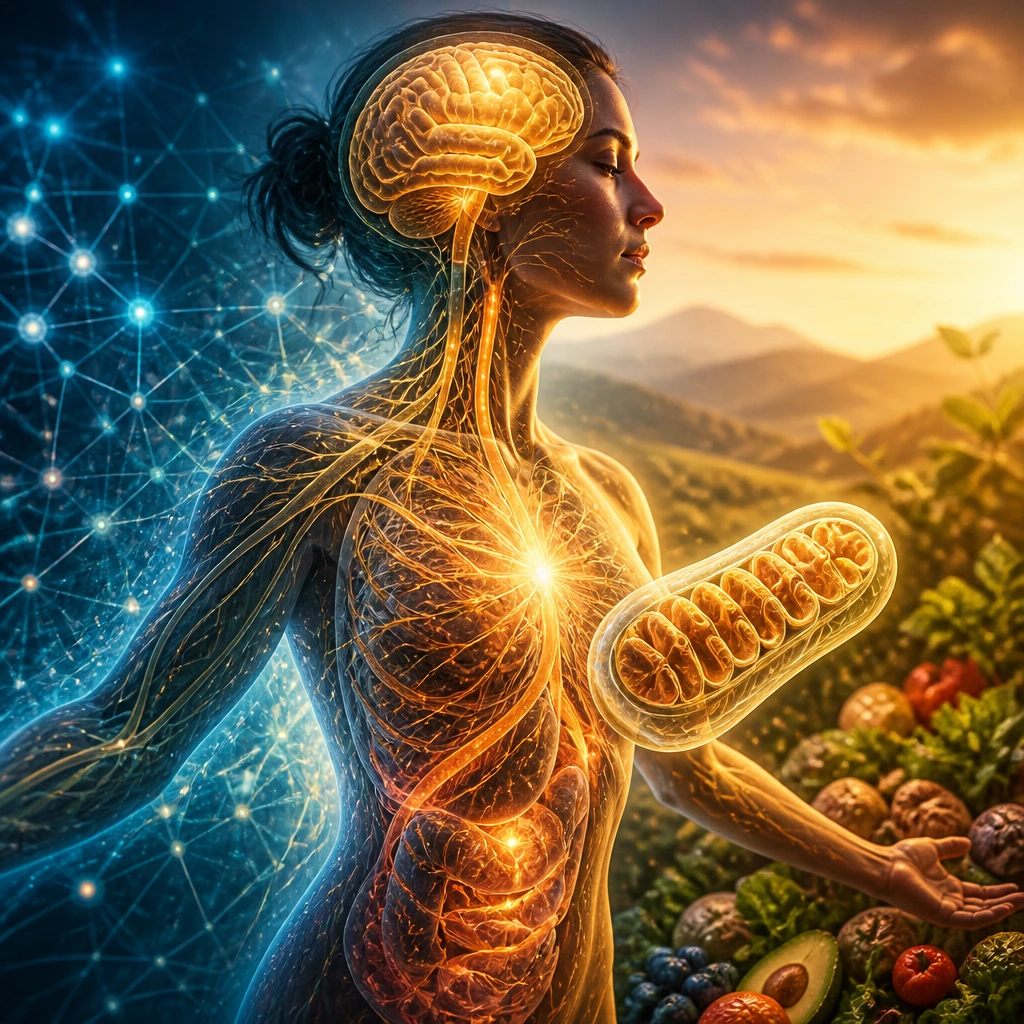
Modern culture inherited the idea that the mind is a passenger and the body its vehicle. Biology suggests the opposite.
2 min read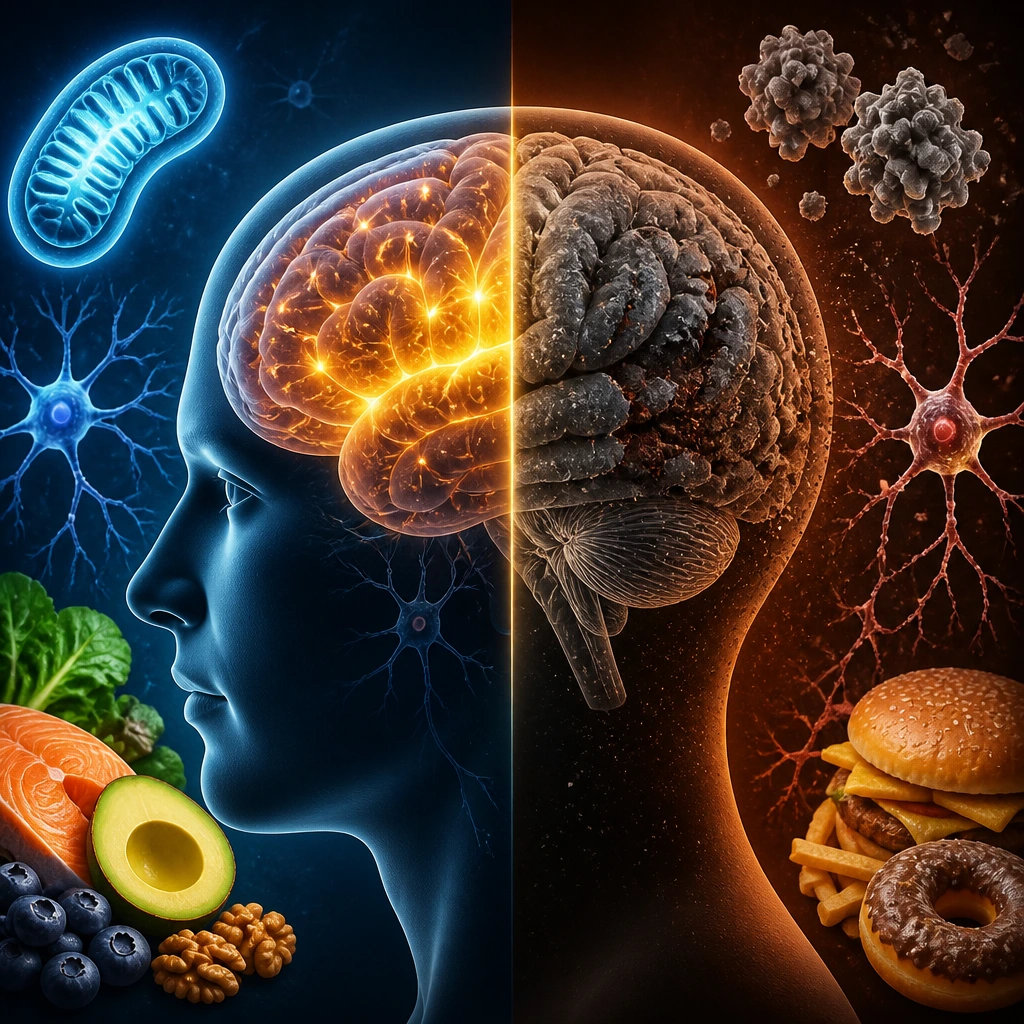
For decades, Alzheimer's research chased a protein. The energy hypothesis suggests we may have been looking at the wrong thing.
2 min read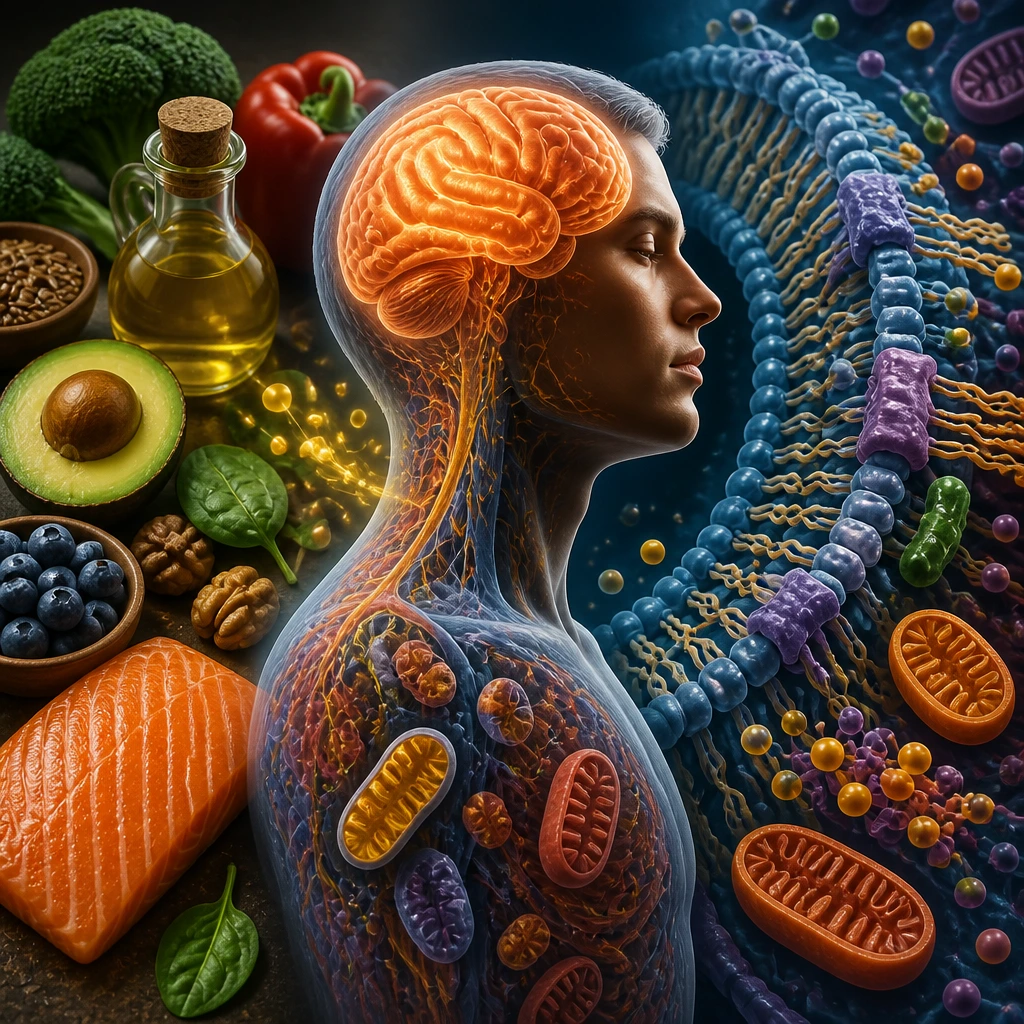
The phrase was always right. The interpretation was always too shallow.
2 min read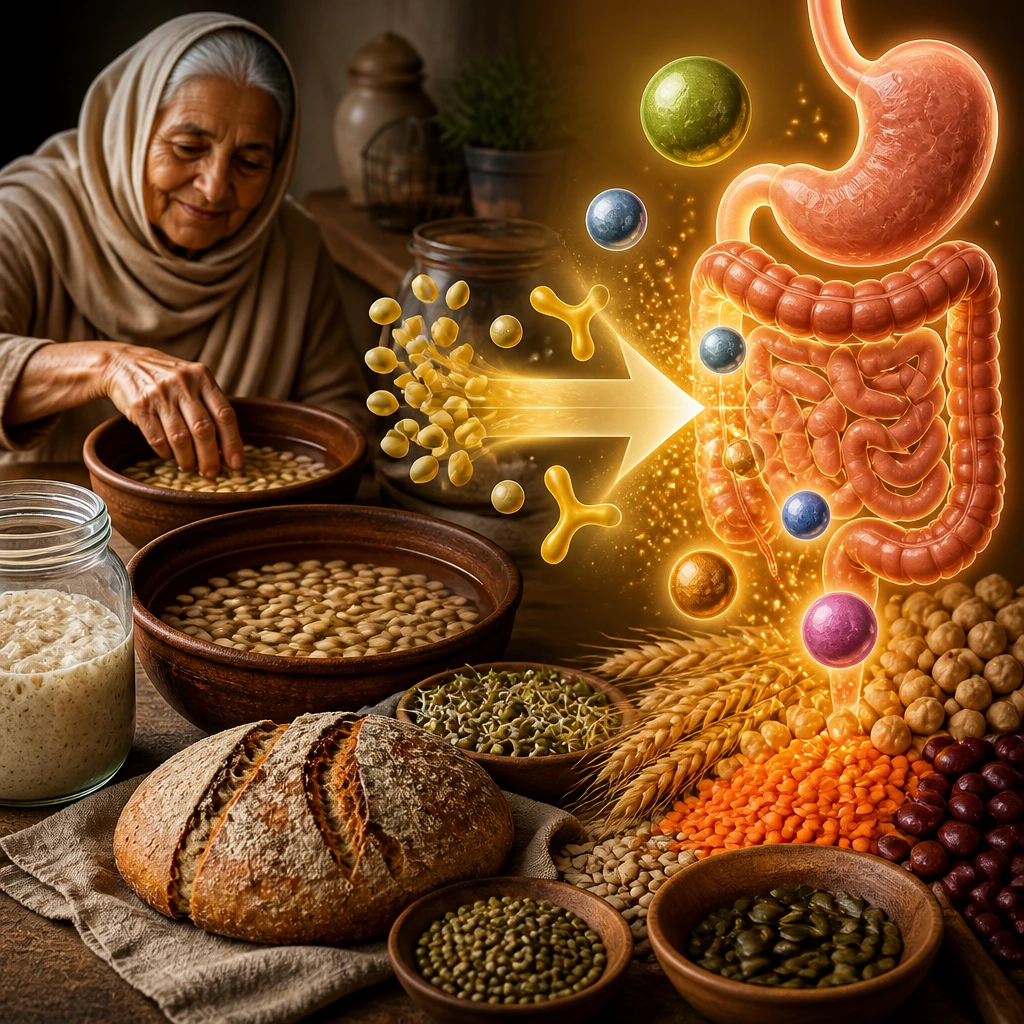
Every traditional food culture on Earth independently arrived at the same practice: soak, sprout, ferment, or cook plant foods before eating them. They didn't know the chemistry. They knew the outcome.
2 min read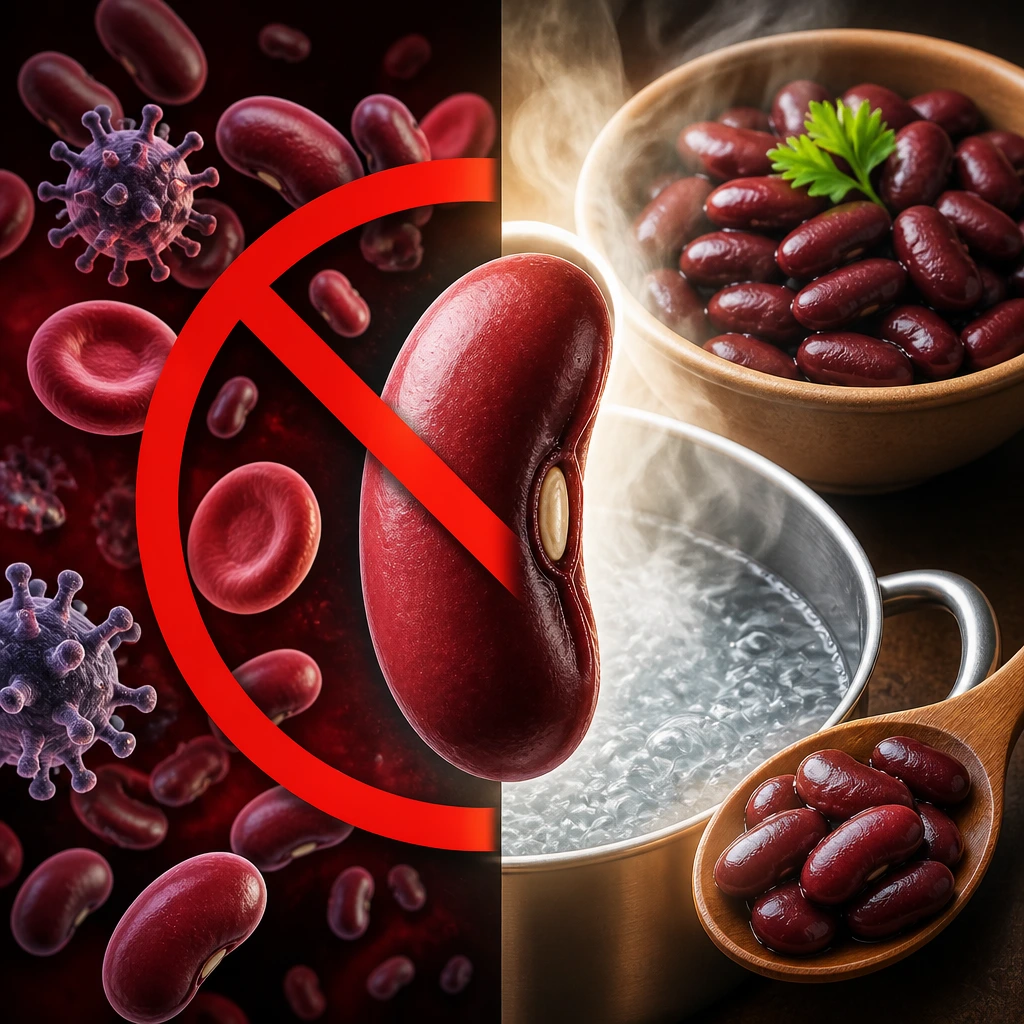
Raw kidney beans contain enough lectin to put a person in hospital within hours. Properly cooked, the same bean is one of the safest, most nutritious foods on Earth.
2 min read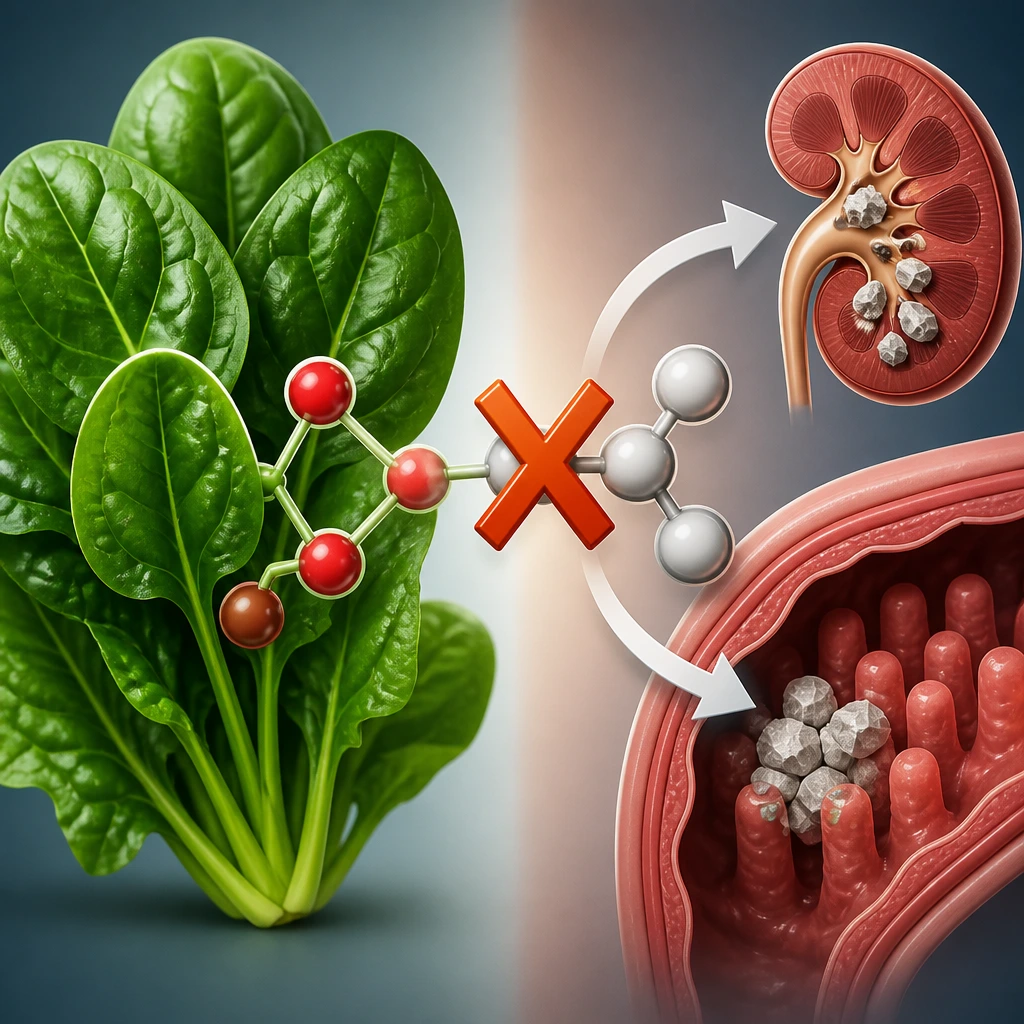
Spinach lists more calcium per gram than milk. Almost none of it reaches your bloodstream.
2 min read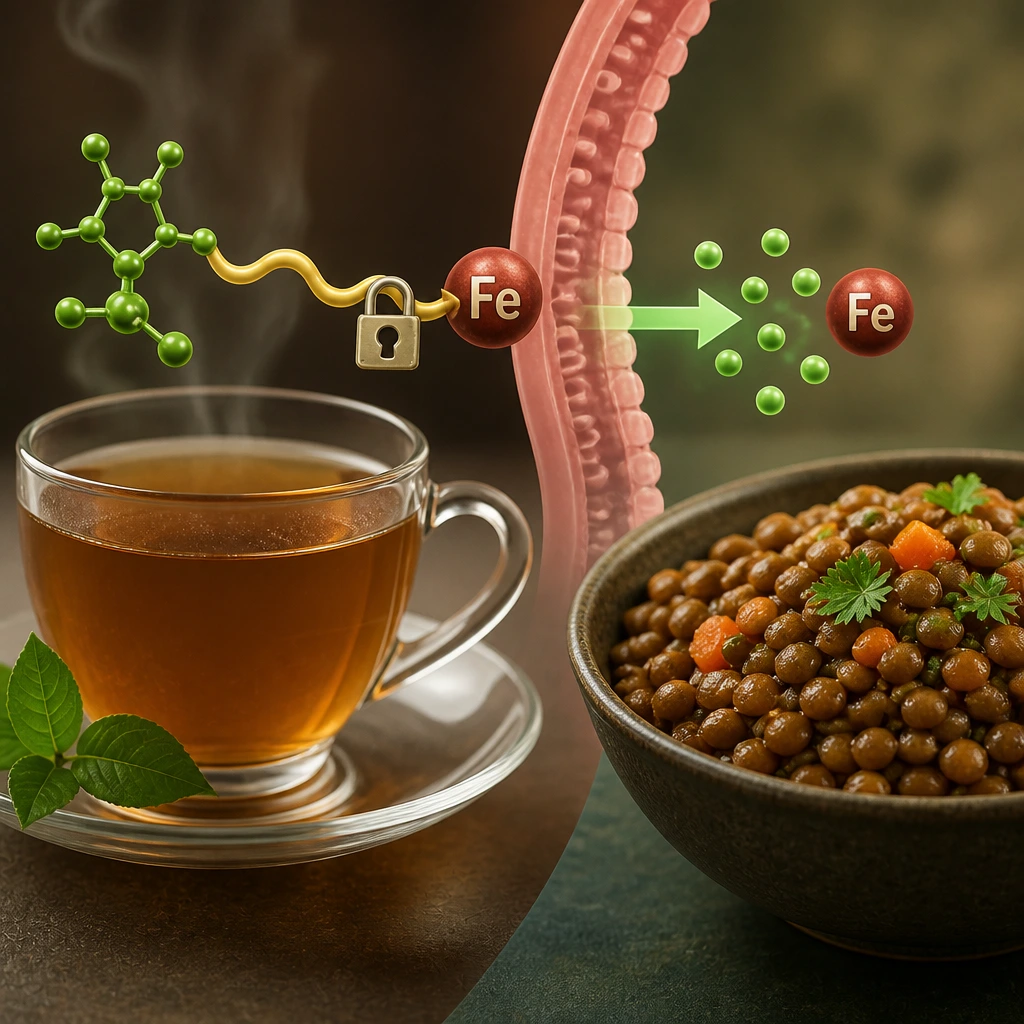
A cup of tea with an iron-rich meal can cut the iron you actually absorb by more than half.
1 min read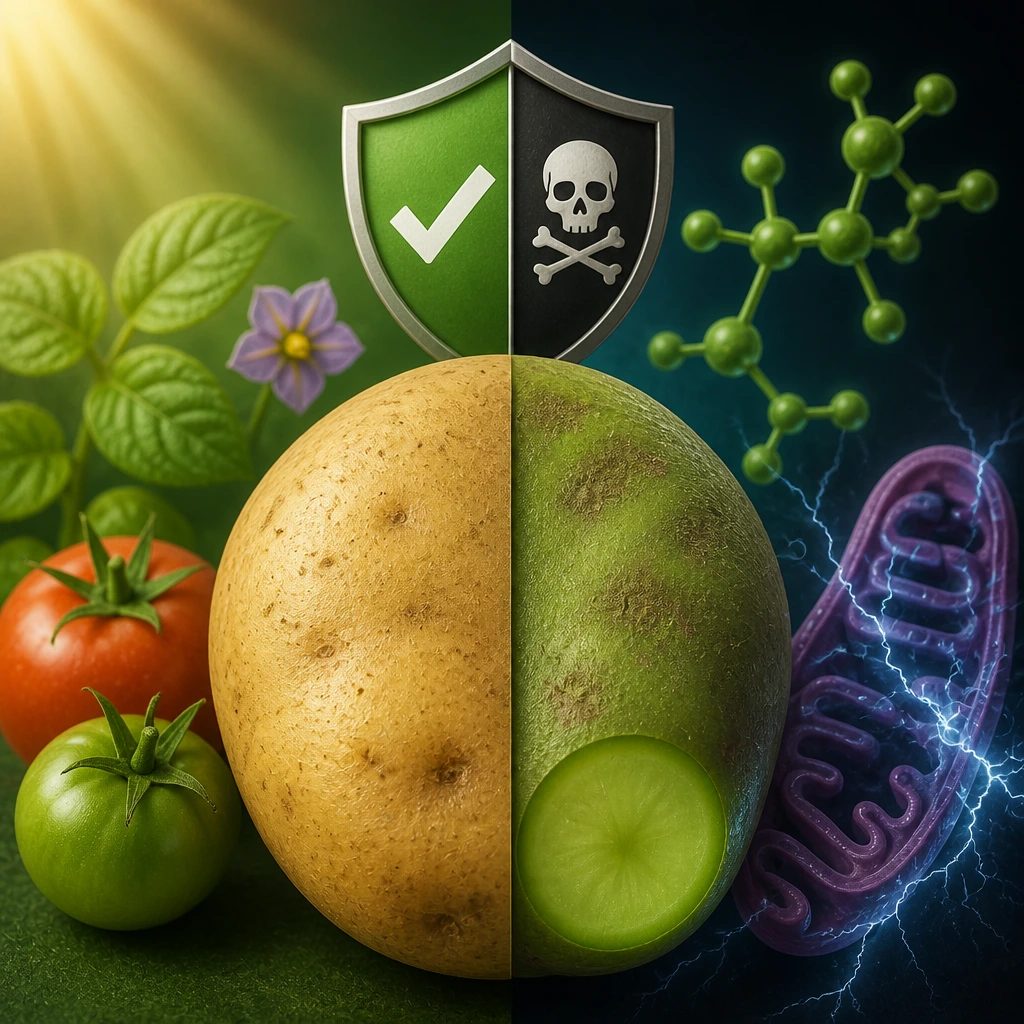
A potato that's turned green under the skin isn't spoiled in the usual sense. It's making a toxin, in real time, in your kitchen.
2 min read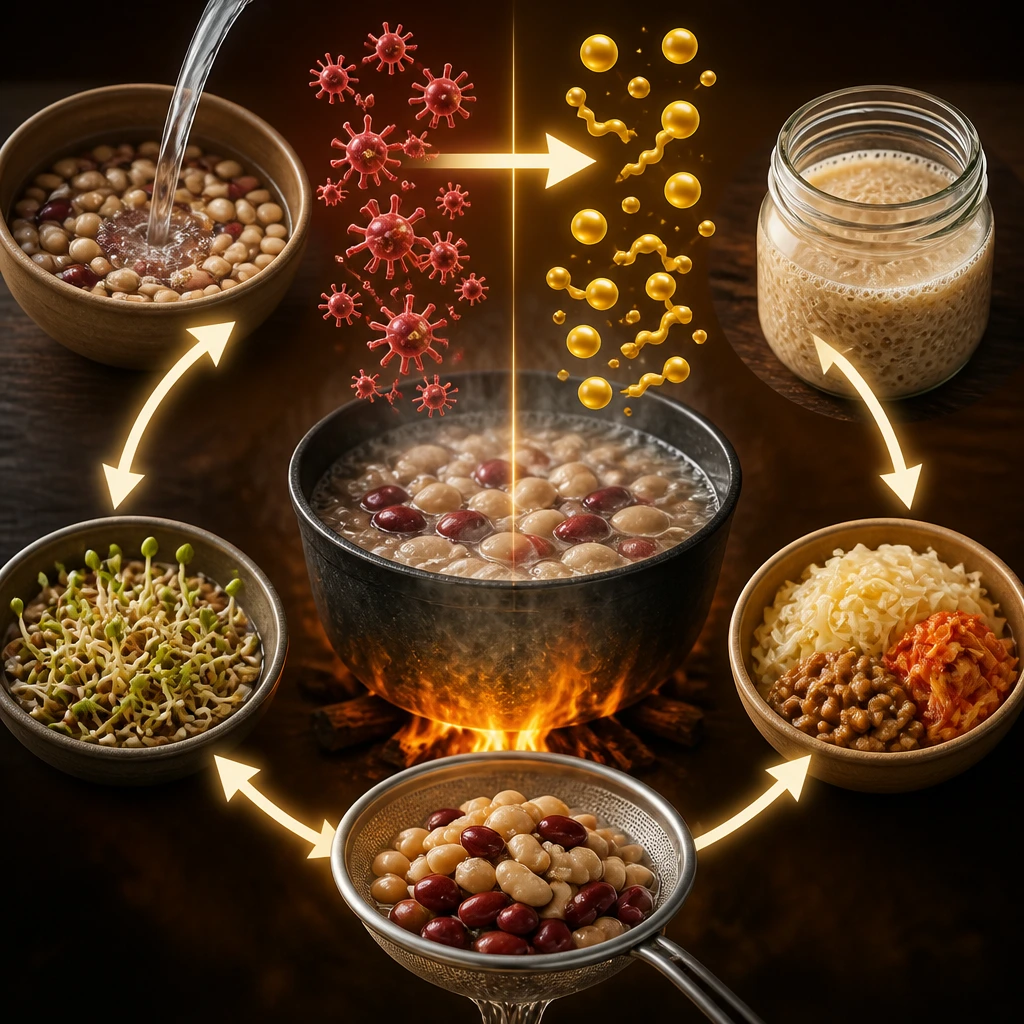
Every plant on Earth would rather not be eaten. Cooking is the truce humans negotiated with the plant kingdom, long before anyone understood the chemistry behind it.
2 min read
It's not about willpower. It's about which hormone is running the show.
3 min read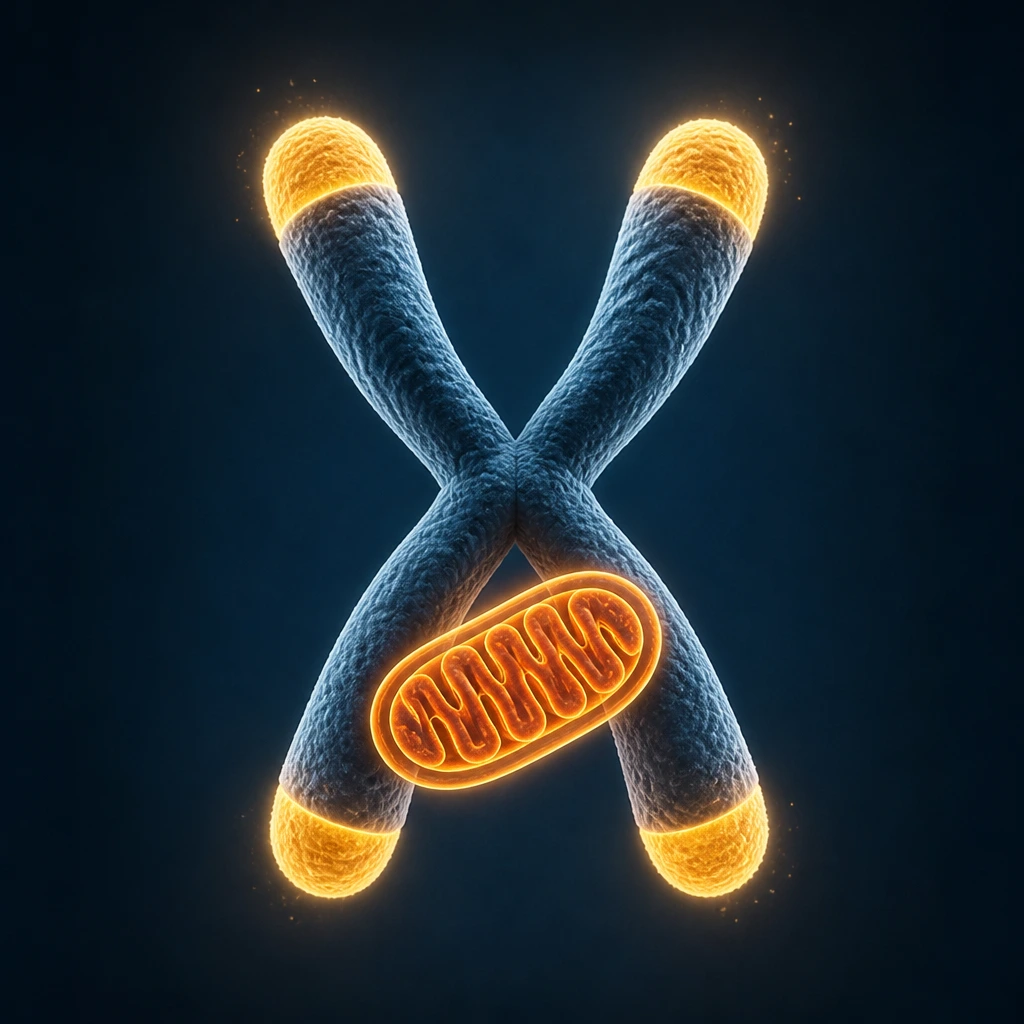
How telomerase, purpose, and rhythm quietly keep your cellular engines running.
3 min read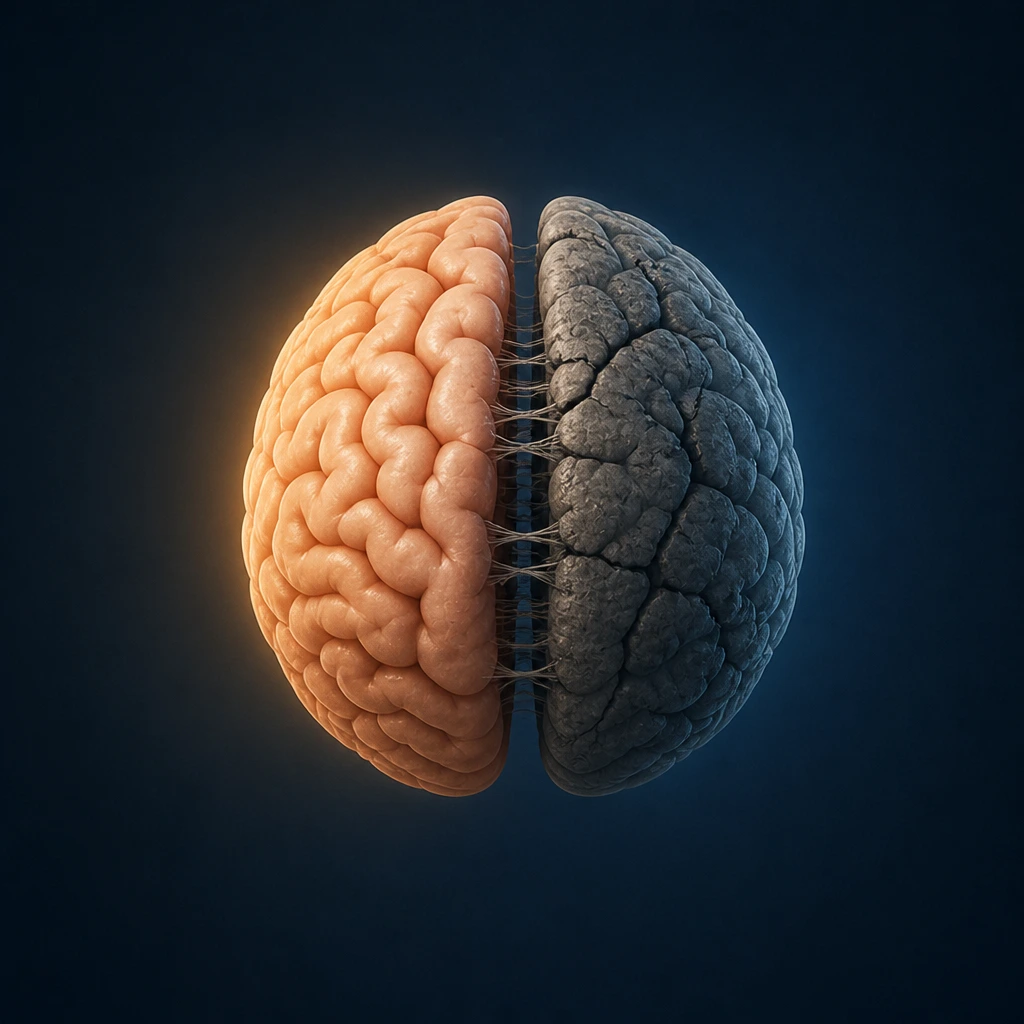
Thiamine, memory, and the fraying line between thinking and feeling.
3 min read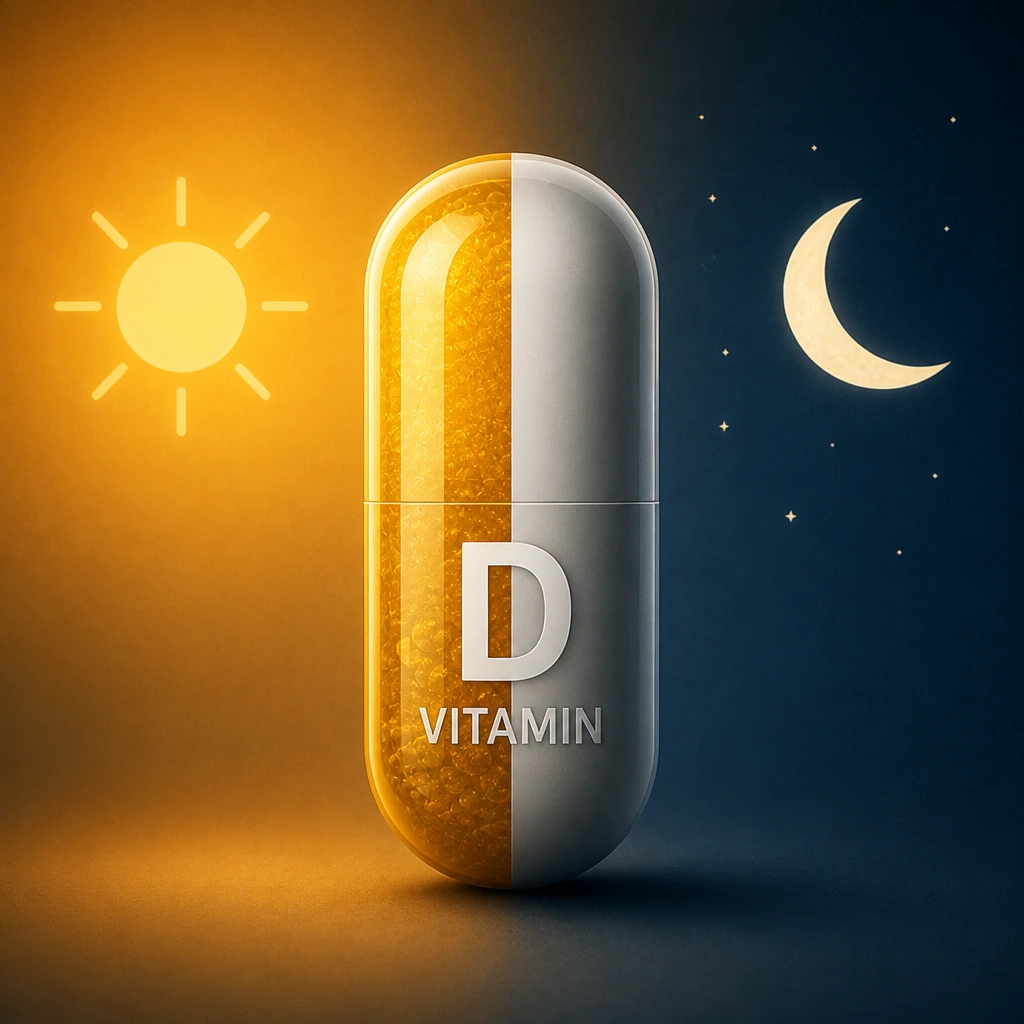
Why vitamin D matters far beyond your bones — and why so many of us don't get enough.
3 min read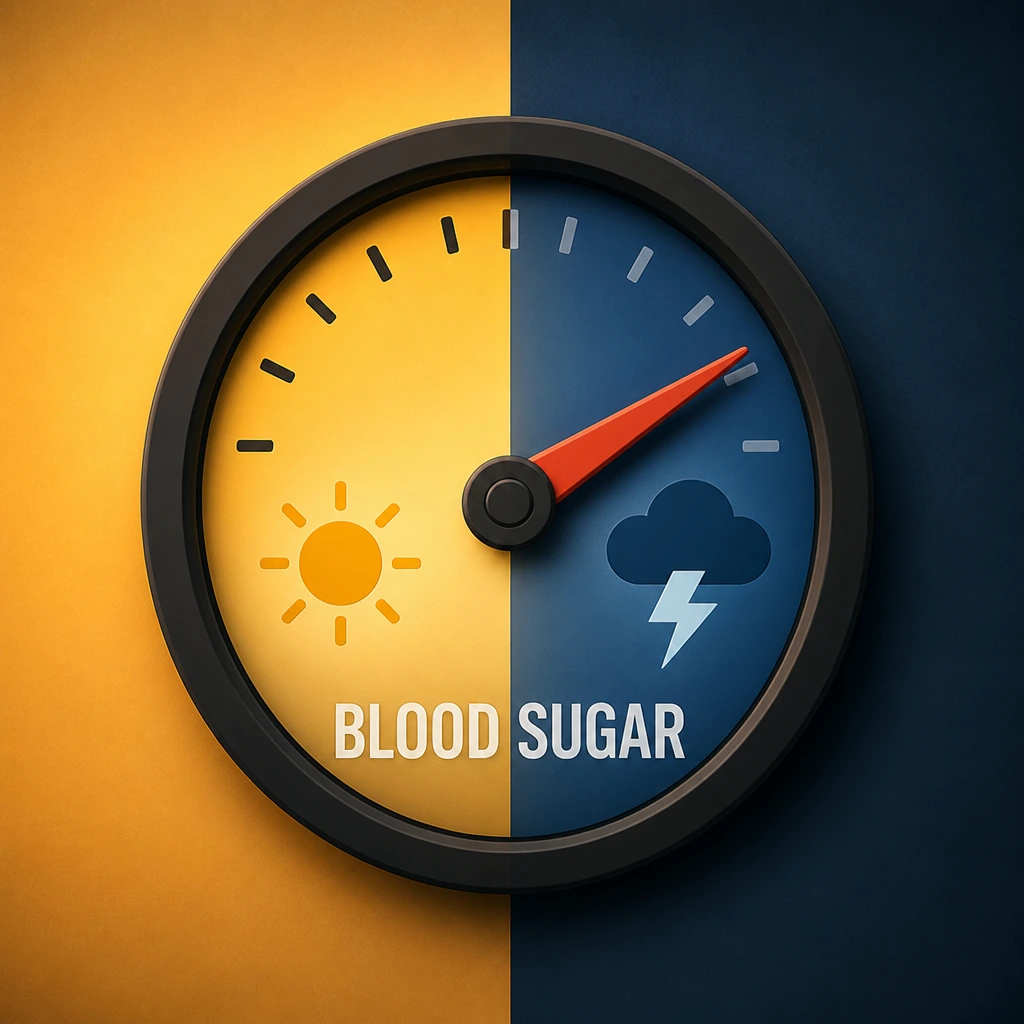
Why that afternoon crash isn't a willpower problem — it's insulin overshooting the mark.
3 min read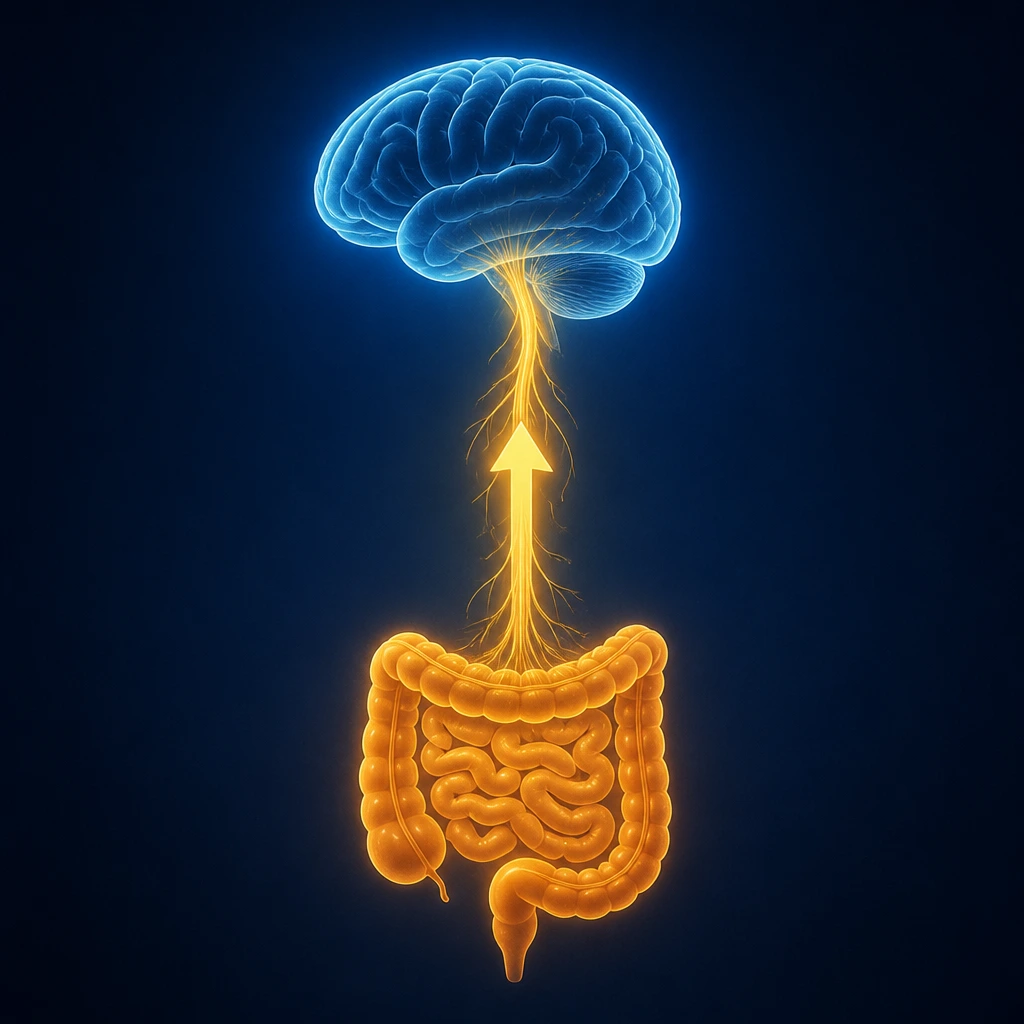
How the gut talks to the brain — and talks first, more often than you'd think.
3 min read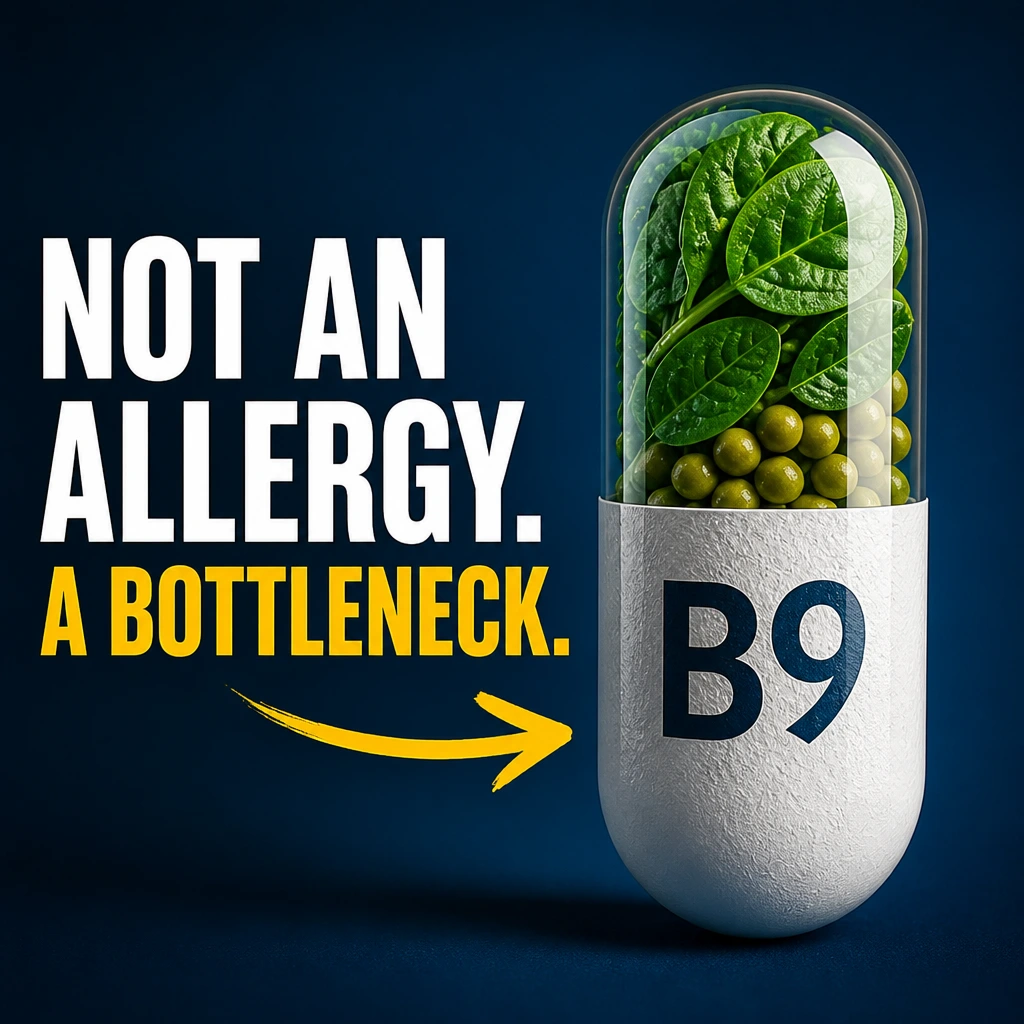
Why aged cheese, wine, and leftovers can trigger real symptoms — without ever showing up on an allergy test.
3 min read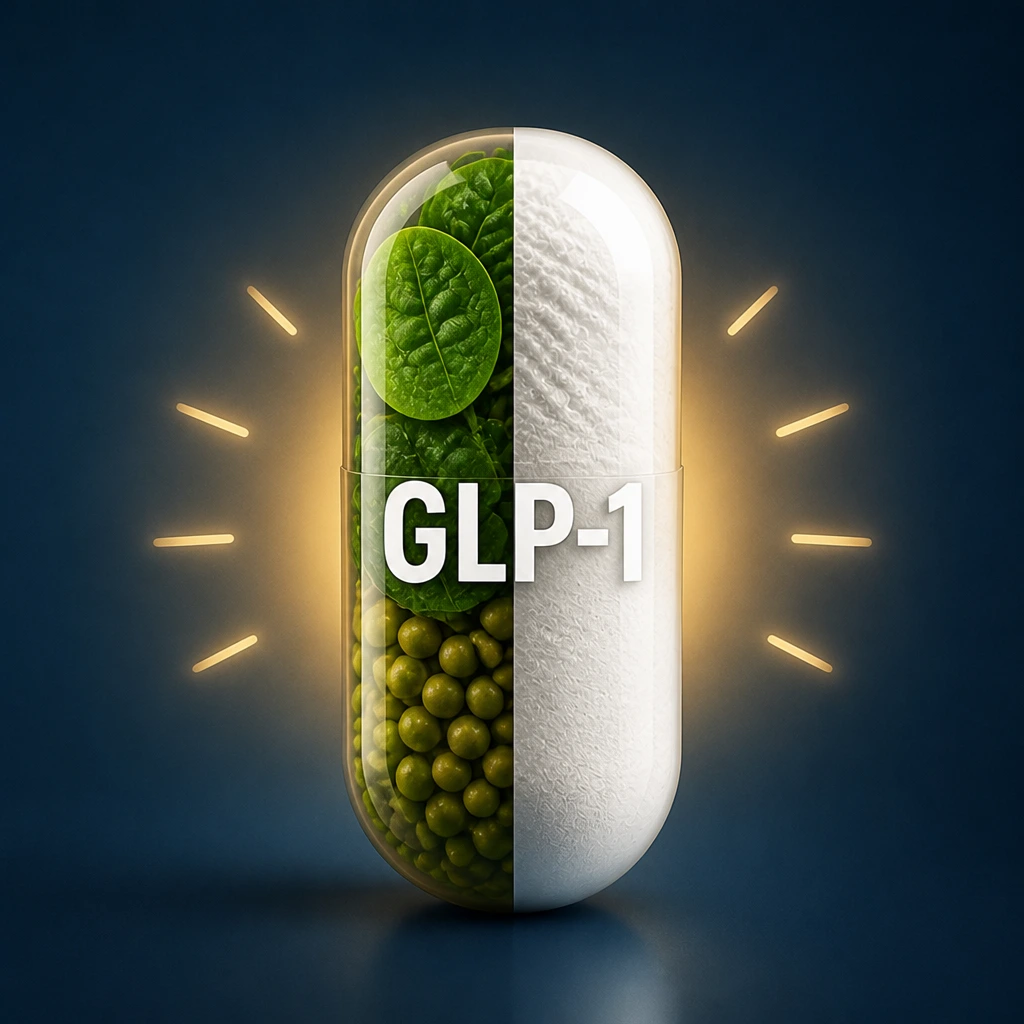
How a gut hormone you already produce became one of the most talked-about medications in the world.
3 min read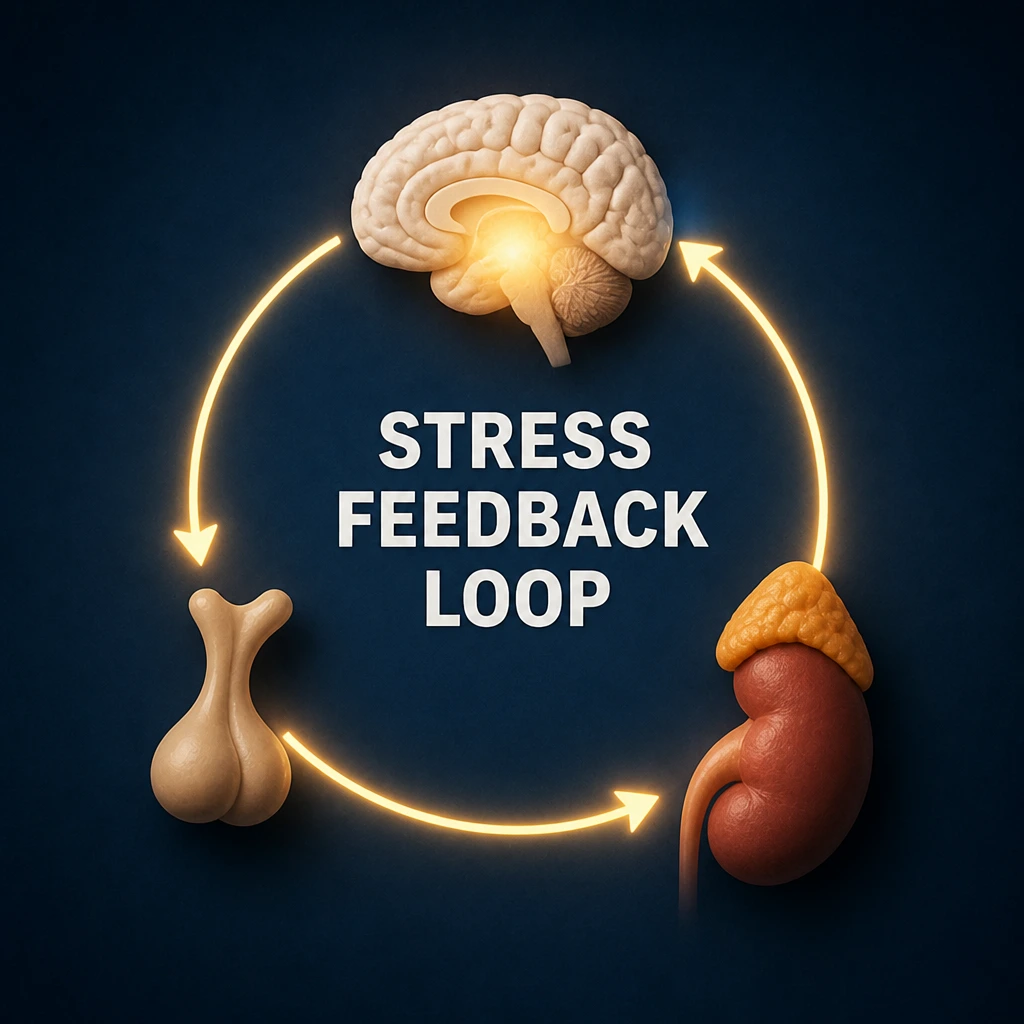
It's not that your adrenals get tired. It's that the feedback loop stops listening to itself.
3 min read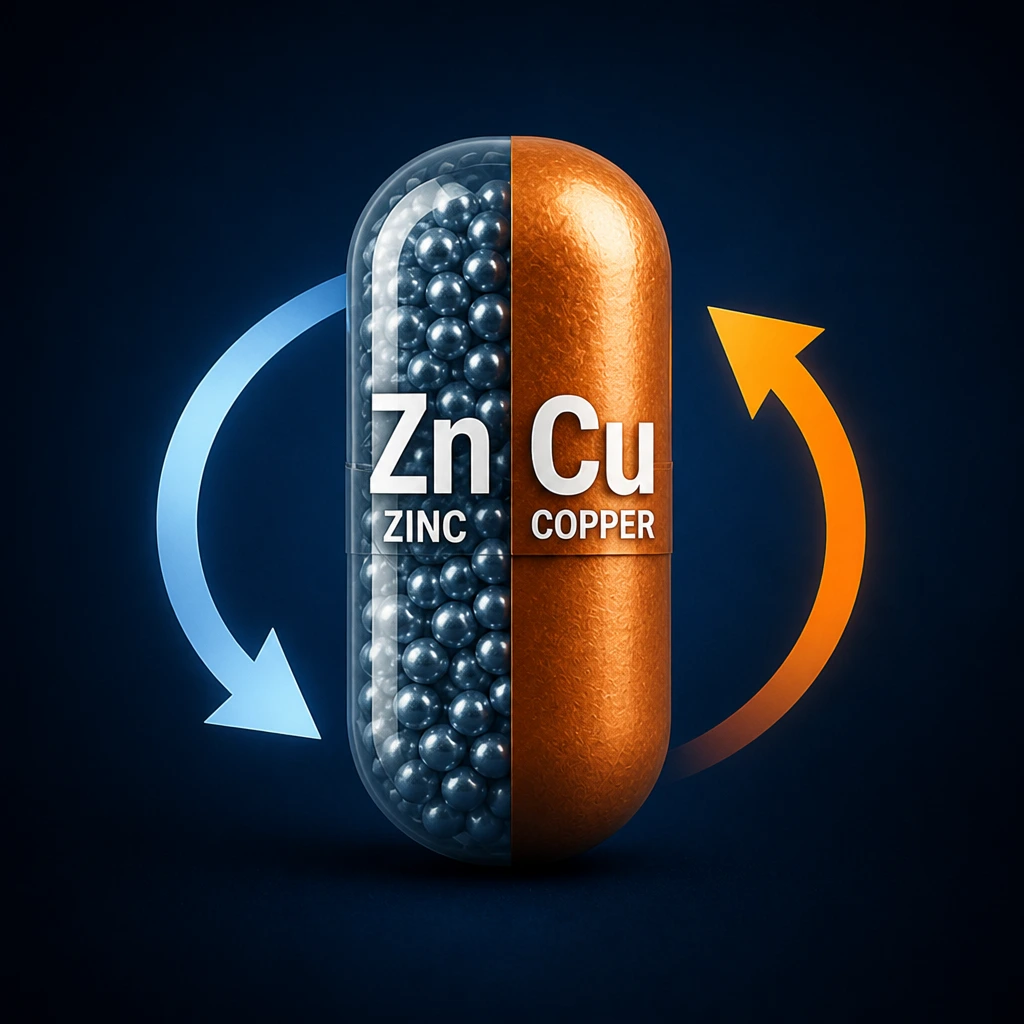
Why more of one mineral can quietly starve you of the other.
3 min read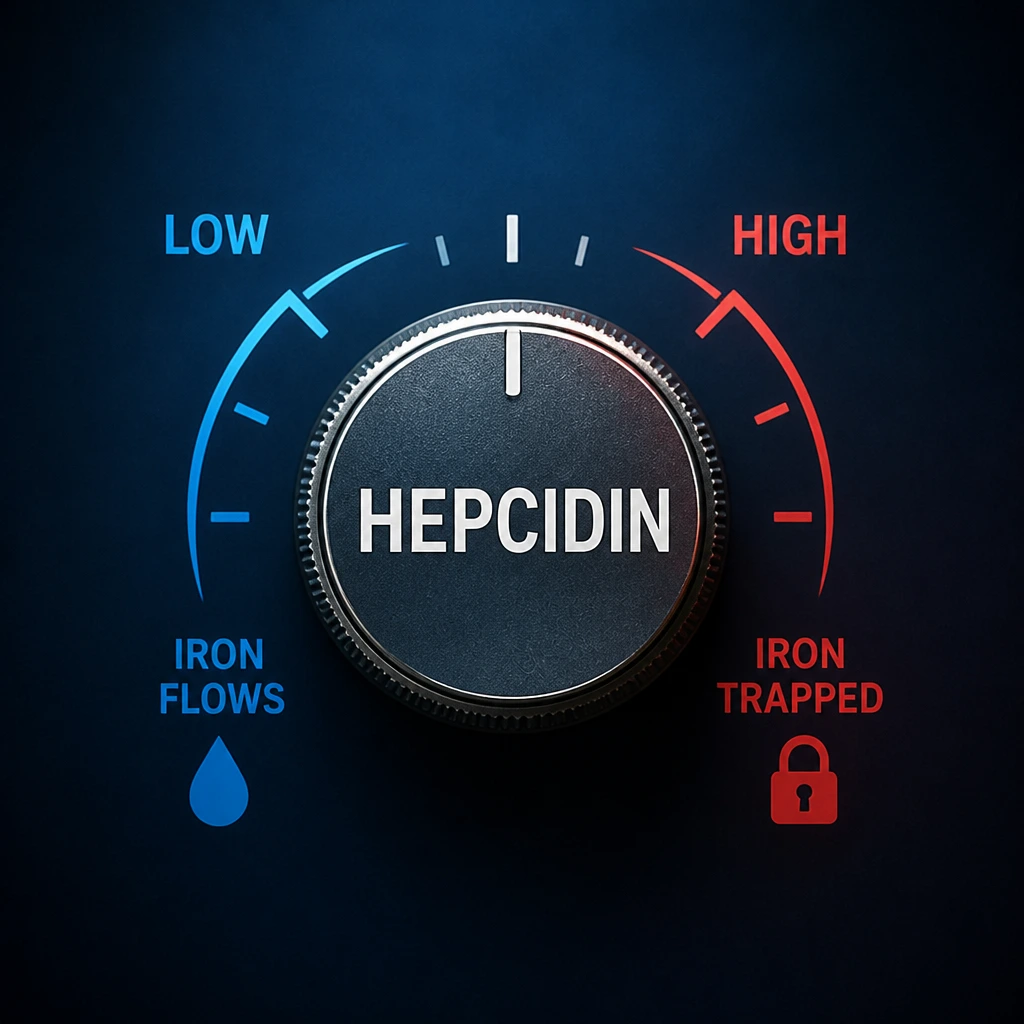
One hormone decides whether you end up with too little or too much — and they can look confusingly similar.
3 min read